
Golden Shot Conversations
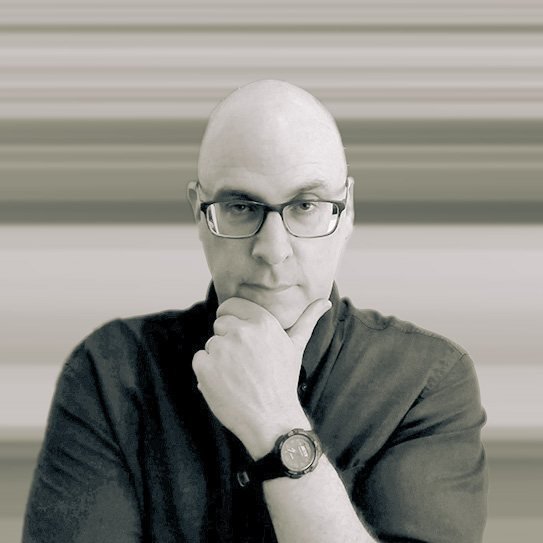
Doug Caplan
In this Golden Shot Photography Awards interview, Doug Caplan shares the story behind their creative journey, awarded work, and ongoing photographic vision.
I’m a Canadian fine art photographer born in Montreal, now based in Langley, British Columbia. Before photography became my full-time creative pursuit, I spent more than three decades in the construction industry. That background probably explains my fascination with architecture, structure, and the way cities are built. Photography began as a hobby, but over time, it evolved into a way of exploring how we perceive the world around us. After retiring at age 57, I was finally able to devote myself fully to developing a personal body of work.
Today, my practice is centered on finding abstraction, rhythm, and quiet moments within contemporary urban environments. Where and The award was for a series of five black-and-white photographs captured at the City of Arts and Sciences in Valencia, Spain. It’s an extraordinary architectural space, but rather than documenting the buildings themselves, I was interested in distilling them into studies of form, light, shadow, and geometry.
I spent several hours walking the complex, observing how changing light transformed the architecture throughout the day. Working in black and white allowed me to strip away color and focus entirely on composition, rhythm, contrast, and abstraction. Each image stands on its own, but together the series explores the visual dialogue between monumental architecture and minimalist design.
Rather than telling a literal story, I wanted to create a visual experience that encourages viewers to pause and look more carefully. I’m interested in photographs that reveal patterns and relationships we normally overlook because we’re moving too quickly through our daily lives. The work invites questions rather than providing answers. I believe the strongest photographs allow space for personal interpretation, where each viewer brings their own experiences and meanings to the image.
If there is a message, it’s that beauty often exists in places we rarely notice. Modern cities can feel overwhelming or impersonal, but they also contain remarkable moments of harmony, geometry, and quiet poetry. I hope viewers experience a moment of curiosity a brief interruption to habitual seeing and perhaps discover that the ordinary isn’t as ordinary as it first appears.
The greatest challenge isn’t technical; it’s learning to see differently. Anyone can photograph an interesting building, but transforming a familiar subject into something visually and emotionally engaging requires patience, observation, and restraint. I often spend considerable time studying a scene before making a single exposure, waiting until every element within the frame feels balanced. Equally important is knowing when to stop. Simplicity is often much harder to achieve than complexity.
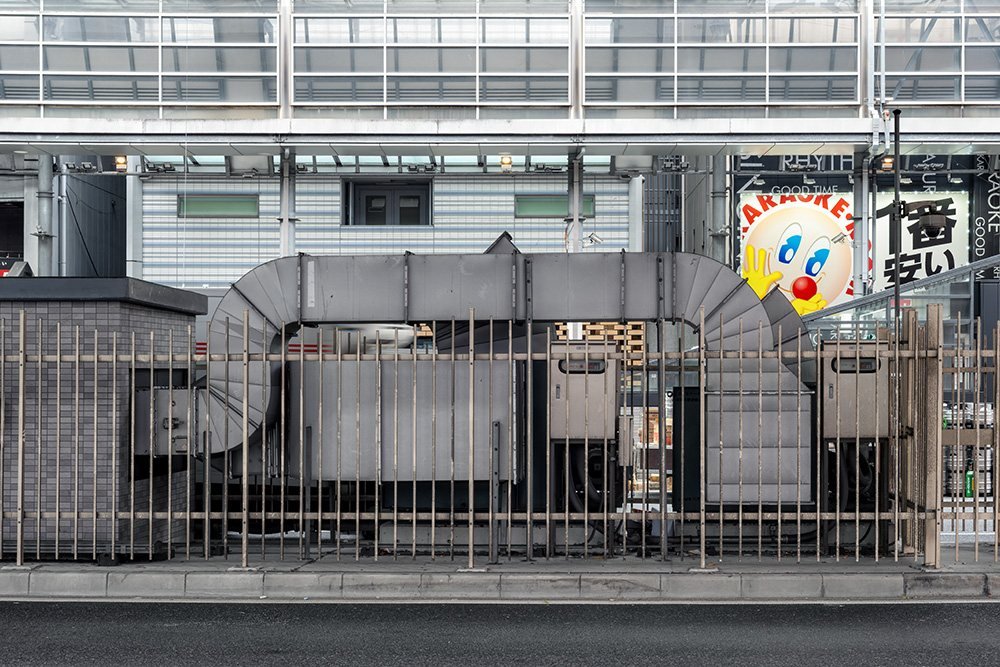
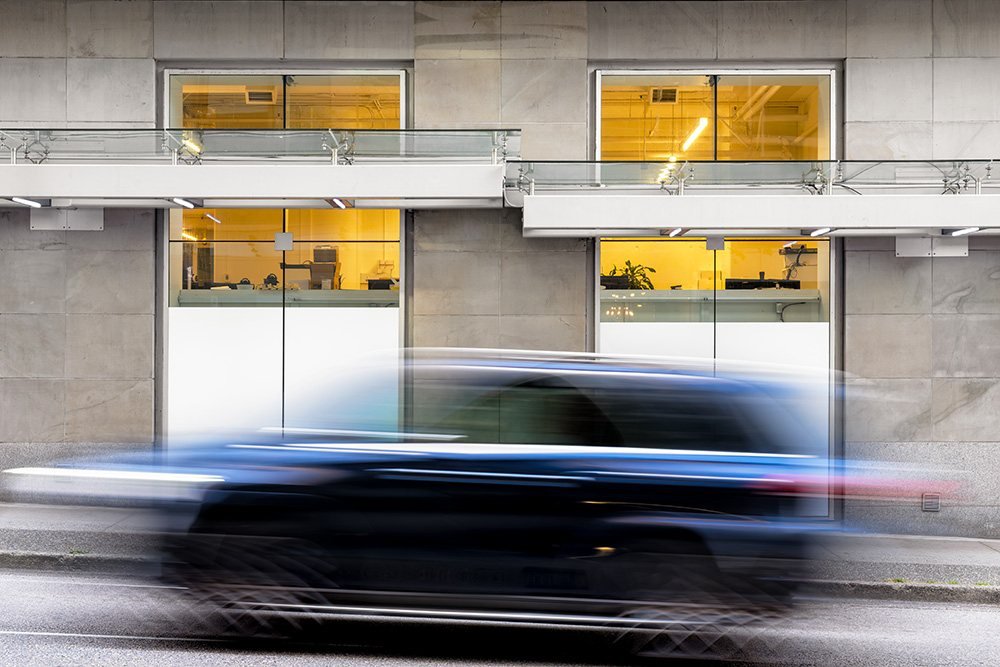
I would describe my work as minimalist fine art photography rooted in both architecture and the urban landscape. Whether I’m photographing an iconic building or an overlooked city corner, I’m less interested in documenting a place than in interpreting it. My work explores geometry, abstraction, rhythm, repetition, and the relationships between form, light, and negative space. I often simplify scenes to their essential elements, removing visual distractions so the composition itself becomes the subject. While architecture provides a strong foundation for much of my work, I’m equally drawn to the quieter details of urban life everyday structures, patterns, reflections, signage, and overlooked objects that most people pass without noticing.
I enjoy transforming these familiar scenes into images that encourage viewers to pause, look more carefully, and discover beauty in the ordinary. Ultimately, my goal is to create photographs that are less about where they were made and more about how they invite us to see. I hope my images remain open to interpretation, allowing each viewer to bring their own experiences and imagination to the work.
I’m primarily interested in perception rather than social commentary. My work explores themes such as order and chaos, repetition, ambiguity, isolation, and the subtle beauty hidden within everyday urban spaces. I’m fascinated by how architecture shapes our visual experience and how changing perspective can completely alter our understanding of a familiar environment. Ultimately, my photographs ask viewers to slow down and reconsider what they think they already know.
Rather than drawing inspiration from a single photographer, I’ve been influenced by many artists who emphasize simplicity, strong composition, and thoughtful observation. Having said that, I am drawn to Michael Wolf’s architectural & urban work. My years working in construction gave me an appreciation for geometry, precision, and structural design long before I seriously pursued photography. Extensive travel, particularly in Japan, has also had a profound influence on my visual language. Japanese architecture and design often embrace restraint, balance, and the idea that simplicity can possess extraordinary depth. Those qualities continue to shape how I see and compose images.
Receiving recognition from an international competition is both encouraging and humbling. Photography is often a very solitary pursuit, so it’s rewarding to know that work created from a deeply personal vision resonates with experienced judges and an international audience. More importantly, it reinforces the value of remaining true to one’s own creative direction rather than following trends. Recognition is gratifying, but creating meaningful work remains the real motivation. Develop your own voice before chasing awards.
Technical excellence is important, but many competitions receive thousands of technically perfect images. What stands out is a photograph that reflects a distinct way of seeing. Study photography, but don’t imitate it. Be patient, edit your work ruthlessly, and submit only images that genuinely represent your vision. Rejection is simply part of the creative process. Every photographer experiences it.
Finally, create photographs because you’re genuinely curious about the world not because you’re trying to impress judges. The strongest work usually comes from authenticity, and recognition often follows as a by- product rather than the goal.
More conversations
Explore more interviews
 ARTIST INTERVIEWS
Aadli Myriam
Encounters in Havana and Viñales became Heirs to Almost, a series attentive to gestures, tenderness and everyday persistence. By slowing down and letting relationships develop, the photographs find their meaning in connection rather than direction.
Read more ARTIST INTERVIEWS
Antonio Coelho
Reused materials become the basis of Weaknesses of the Oceans, a conceptual series about pollution and environmental fragility. Colour and geometry carry the message, while working in natural light makes visual consistency a practical creative challenge.
Read more ARTIST INTERVIEWS
StreetMax21
London street scenes become carefully composed series shaped by patience, observation and a growing photographic archive. Waiting for people to arrange themselves naturally creates a tension between everyday reality and images that appear to be staged.
Read more