
Golden Shot Conversations
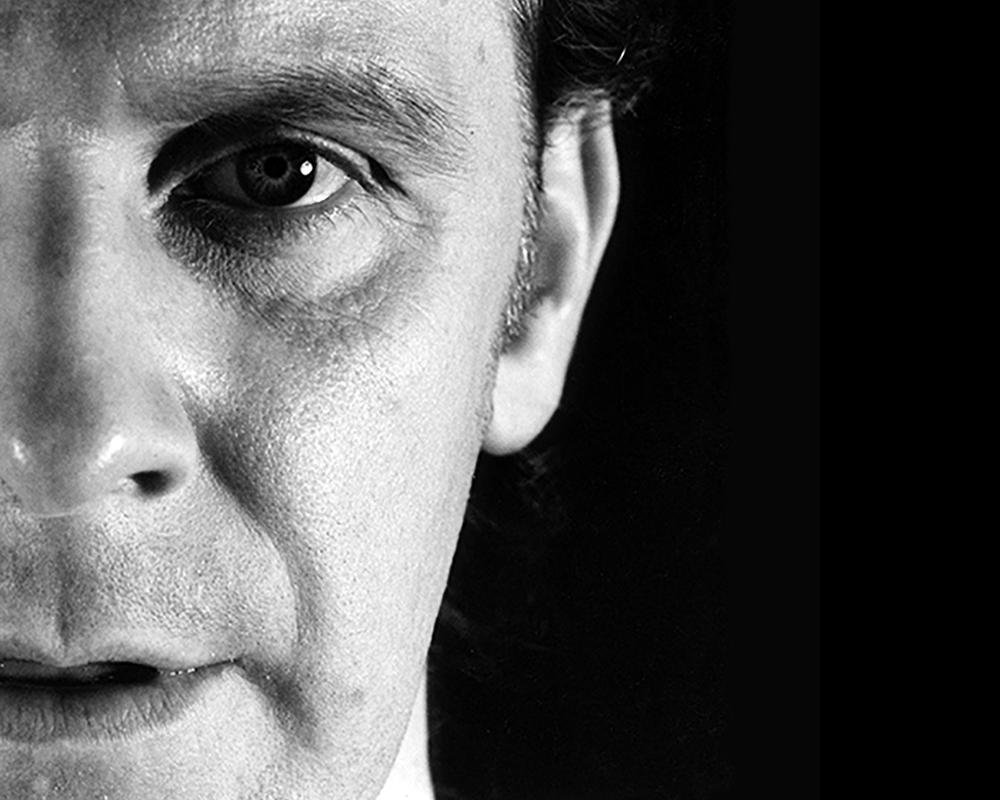
StreetMax21
I was born in Dundee, Scotland. Since attending art college there, I’ve always taken photographs, and for a while I worked as an architectural photographer. It was during this period that I began using the moniker, or cipher name, StreetMax21 to distinguish the work I was producing for clients from the work I was creating for myself.
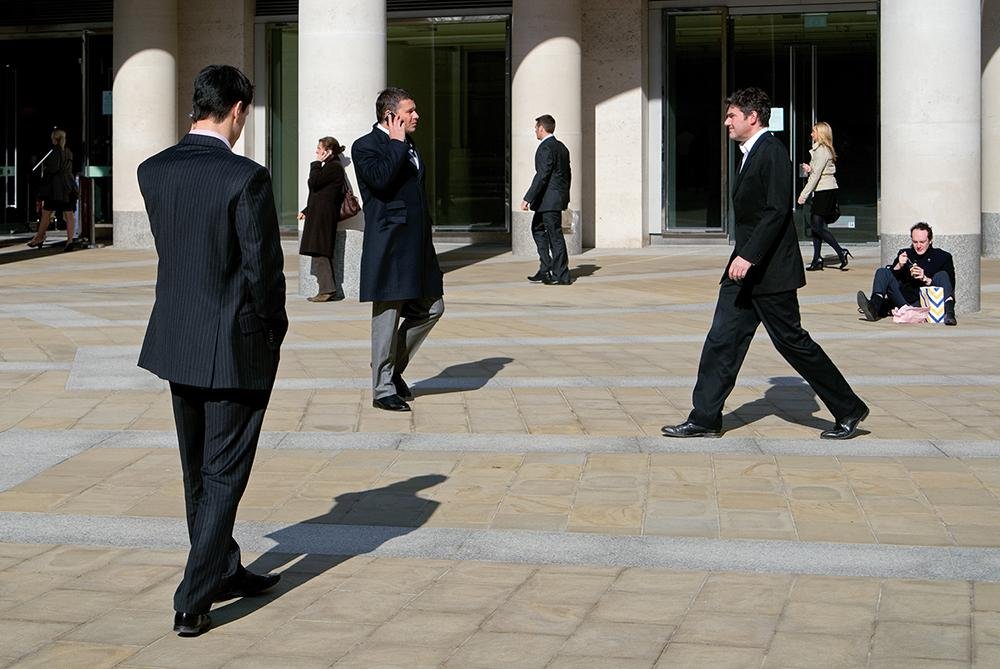
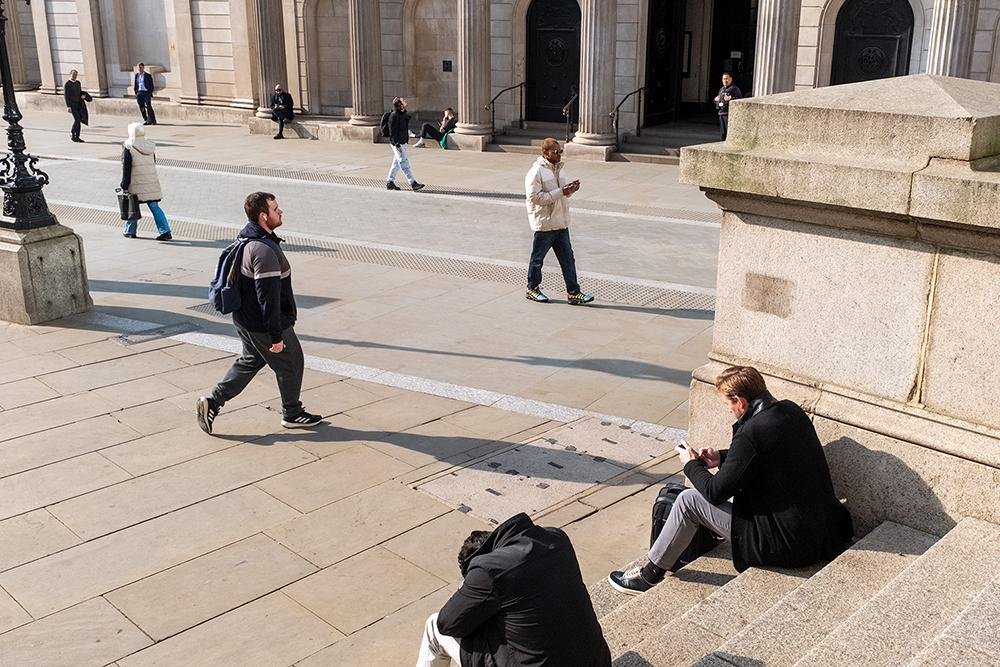
Most of my work is photographed in London. I’m not a single-image photographer; instead, I try to find visual balance within series, typically consisting of between five and twenty images. These series are drawn from an archive that I have been building since 2010. Each one is titled using the first and last dates of the photographs included in it. This diaristic method provides a context for time while leaving open the possibility of returning to locations or even reconstructing complete series with updated contexts.
Viewers are free to interpret these photographs as they wish. I’m not inclined to overanalyse them, either individually or collectively. The main challenge for me is maintaining discipline and avoiding becoming too comfortable with what I’m producing.
I believe it’s important to slow down the picture-making process by looking harder and for longer. This makes it possible to uncover things hidden in plain sight details that may not be evident when using faster or more excessive photographic methods. Straight photographers such as Stieglitz and Strand proved that it wasn’t always necessary or desirable to resort to trickery.
Central to my practice is a strict compositional style and precise creative execution. To achieve the result I want, I’m prepared to wait—often for long periods until people naturally arrange themselves within the frame and complete the composition.
Throughout my work, I’ve tried to create tension between appearance and reality. The slow and precise technique I use often leads viewers to assume, incorrectly, that the photographs have been staged. This encourages them to examine the photographic evidence more closely and consider where the boundary between artifice and observation lies. By questioning our assumptions about what we are really seeing, it may be possible to breathe new life into familiar or tired genres.
My visual language has been shaped by a wide range of influences, particularly painting. Among my favourites are Nicolas Poussin, the drawings of Holbein and Ingres, Eadweard Muybridge, the Futurists, Photo-realists such as Howard Kanovitz, and conceptual artists including Roman Opalka, Hanne Darboven, On Kawara, and Sol LeWitt.
I believe in continuity and context within art, with one artist or photographer laying the groundwork for another to follow and reinterpret. At the same time, I prefer to recognise what may be artistically relevant without examining the work of other artists too closely. It’s enough to understand the canon without allowing it to become an overwhelming influence or committing the sin of simply repeating it.
I’m not here to worry directly about social issues, although I may create an aesthetic shaped by them. For me, developing a visual language is a more compelling pursuit.
Winning a Golden Shot Award is an indication that I’m producing something relevant. Otherwise, there would be little point.
My advice to photographers entering international competitions is to learn patience. Nobody moves forward in a perfectly straight line; sometimes, you go backwards. If producing good work were easy, people would do it all the time. Photography competitions can provide short term recognition, but they are not a substitute for achieving long-term consistency.
More conversations
Explore more interviews
 ARTIST INTERVIEWS
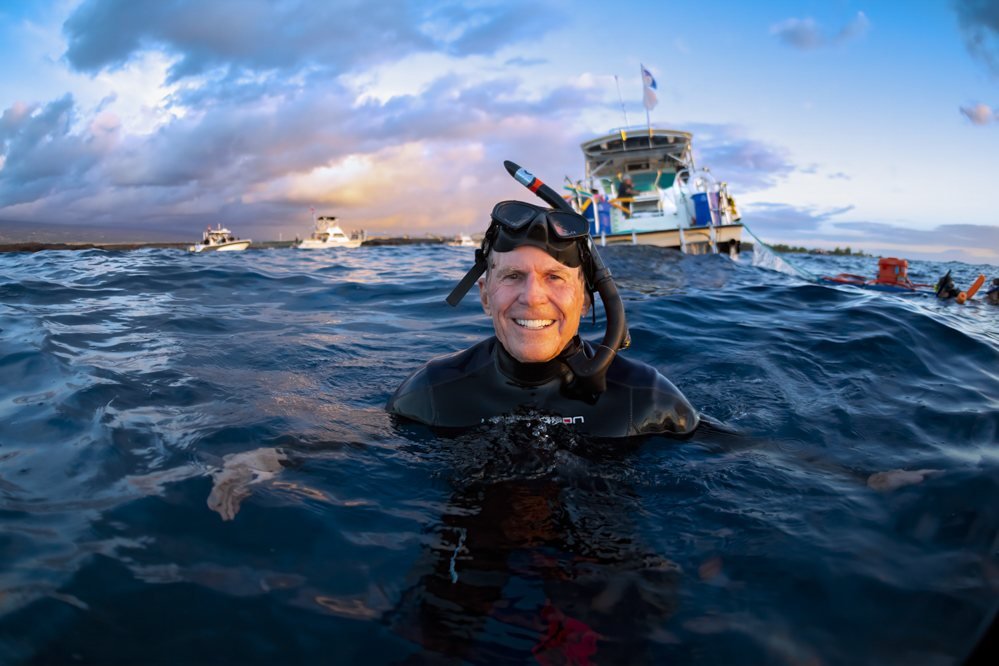
DON HURZELER
Lava meeting the ocean and a wildebeest leaping into a river capture two very different forces of nature. Both photographs depend on preparation and persistence, with the final image decided by a moment no photographer can control.
Read more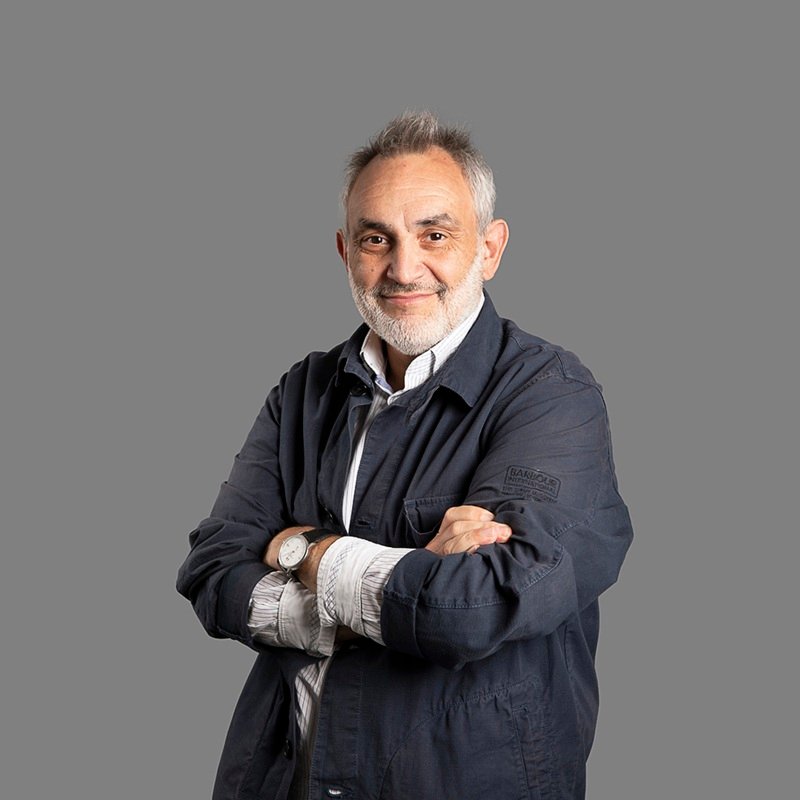 ARTIST INTERVIEWS
Benoit Rondelet
A career in medicine gives a distinctive perspective to photographs of great apes and their fragile habitats. Intimate encounters with these animals prompt reflections on empathy, conservation and our responsibility to protect the living world.
Read more ARTIST INTERVIEWS
Stephen Wallace, M.D., J.D
Two novice monks reading by candlelight near Bagan become the focus of a quiet photograph about devotion. The conversation follows the image’s preparation, low viewpoint and the wish to introduce viewers to other cultures and customs.
Read more