
Golden Shot Conversations
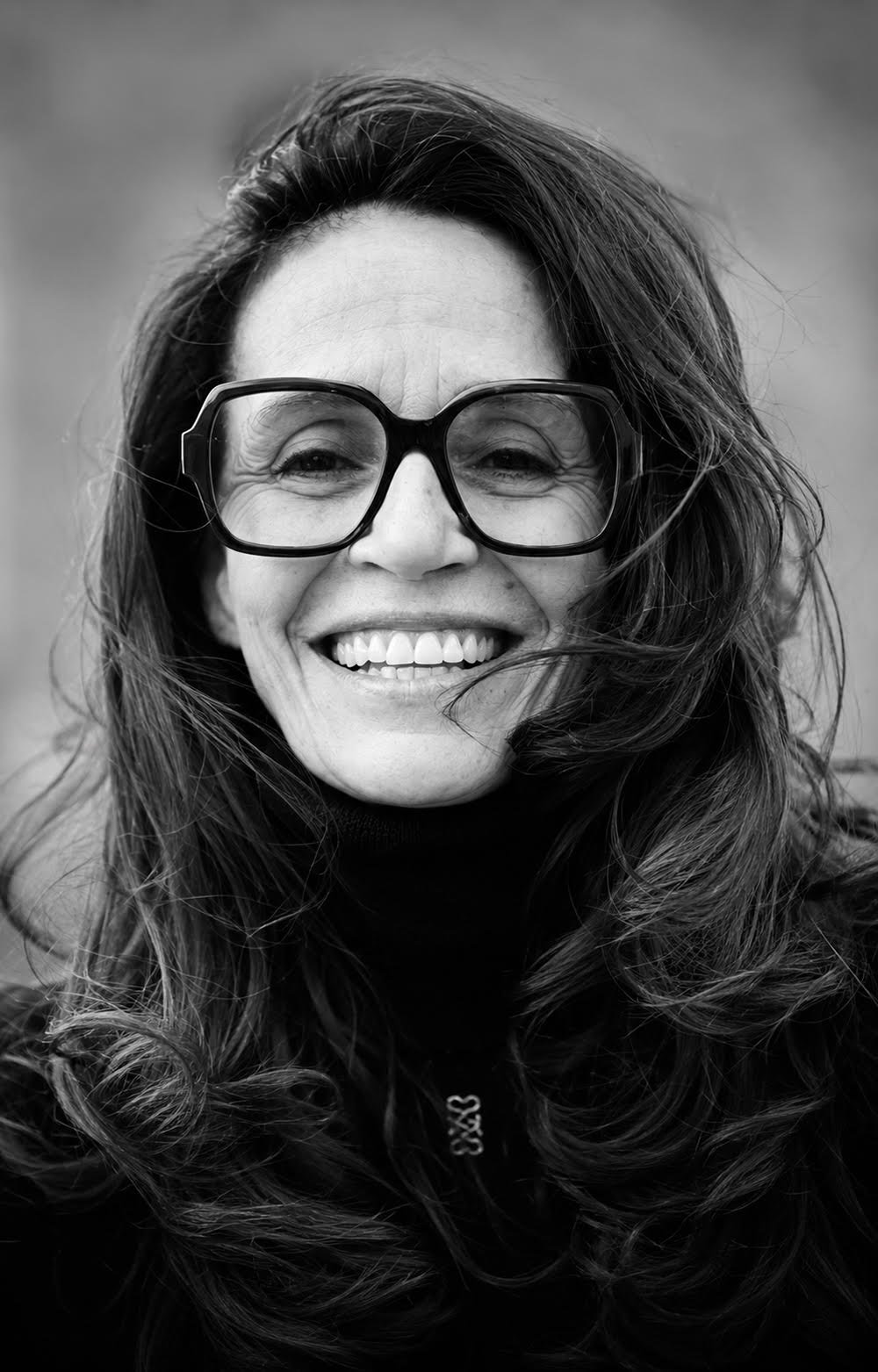
Aadli Myriam
For nearly four decades, I have not photographed the world to capture it, but to be fully present within it. Photography has become my way of slowing down, observing, and connecting with others. It is through this openness that my images come into being.
My name is Myriam Aadli. I am a French documentary and street photographer based near Paris. After studying cinema and theater, I realized that photography was the language that best expressed the way I experience the world.
Since 1988, my work has grown through walking and human encounters. I let time do its work. Sometimes a glance, a silence, or a few words are enough for a photograph to emerge naturally. I never try to direct what happens; I simply remain attentive until the moment feels right.
I am drawn to those almost imperceptible moments when someone ceases to be just another face and becomes a singular individual. The simplest gestures and the way people inhabit a place often reveal more than any spectacular event. To me, a photograph takes nothing from reality; it simply bears witness to a moment of genuine connection.
This series grew out of several journeys to Cuba. I did not travel there to explain a country or document its hardships. By slowing down, walking without urgency, and allowing each meeting to unfold naturally, I discovered that something essential could reveal itself.
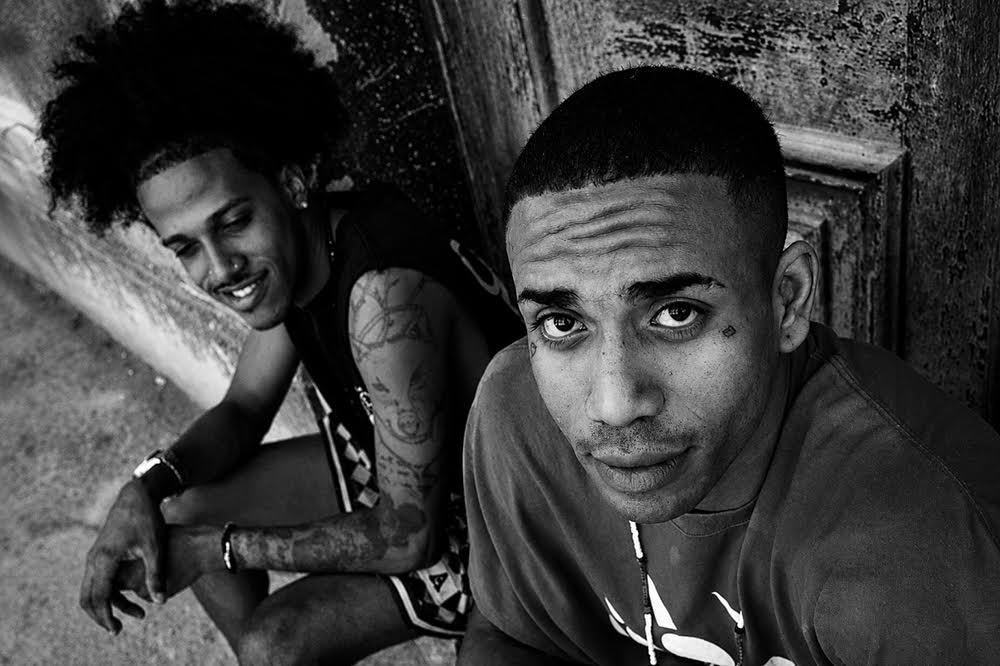
Every photograph in this series was born from a genuine encounter. Some lasted only a few minutes, others much longer. I never arrive with a preconceived image in mind. Instead, I allow each relationship to find its own rhythm until the photograph becomes the natural consequence of what has been shared.
As I walked through the streets of Havana and Viñales, what moved me most was not what people lacked, but the way they inhabited their lives. I was never interested in photographing scarcity for its own sake. I was drawn to what remained: a glance, a gesture, a posture, a moment of tenderness, and the quiet determination with which people continue to live, love, work, and dream.
The title Heirs to Almost reflects this idea. It speaks of lives shaped by uncertainty, but never defined by it. It is about what survives, what is passed on, and what continues to exist even when so much seems out of reach.
This series is not about Cuba. Cuba is simply where these encounters became possible. Ultimately, these photographs speak about something profoundly human: our ability to recognize one another when we slow down and truly see each other.
At its heart, this work grew from a question that has accompanied me for many years: what remains of a person when everything that seems to define them socially is taken away? Their profession, their age, their country, their hardships… What remains is a unique way of inhabiting the world. That is what I try to photograph.
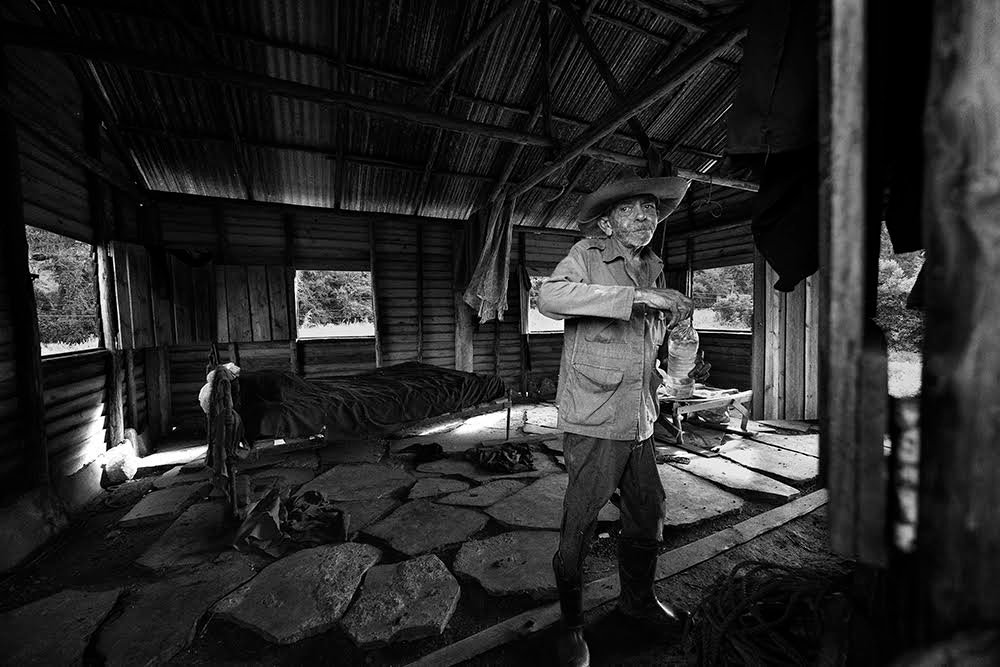
I do not seek to provoke emotion or tell an exemplary story. I simply hope to create a space where the viewer’s gaze can slow down, where judgment quietly fades, and where another person can be encountered before being explained. Perhaps that is where empathy begins, and where a form of reconciliation with others and sometimes with ourselves becomes possible.
If this series speaks of endurance, it is not as an act of heroism or triumph. It speaks of the quiet strength that allows people to keep living, loving, working, and smiling despite uncertainty. It is this quiet persistence that moves me, and that I hope these photographs make visible.
I never begin a project with a message I want to deliver. I prefer to leave space for the viewer’s own experience. If these photographs communicate anything, I hope they encourage people to look a little longer and with greater generosity.
We often form opinions before we have truly looked. I hope this series suggests another way of seeing one that leaves room for curiosity instead of certainty, and for attention instead of judgment.
If there is one feeling I would like people to take away, it is a quiet sense of closeness. The feeling that, despite our different lives, cultures, or circumstances, we share something essential. Not because we are the same, but because every person deserves to be seen with dignity.
If someone finishes looking at these photographs with a little more tenderness toward other simply with the desire to look again then I feel the photographs have done what they were meant to do.
The greatest challenge was not finding photographs, but letting go of those that were merely striking. I have learned that an image that impresses is not always an image that tells the truth. Throughout this project, I constantly asked myself whether a photograph revealed something essential about the person, or whether it simply demanded attention.
People often assume that the greatest challenge in documentary photography is working in difficult situations. That was never mine. The real challenge was remaining faithful to my own ethics. I wanted to portray people as I encountered them, without dramatizing their reality or making it more spectacular than it truly was.
There were also times when I chose not to take the photograph. Some encounters were more valuable than the image itself. I would rather leave with a meaningful shared moment than with a photograph that did not feel true.
I never work with a fixed plan or a list of images to make. Some days I returned without taking a single photograph. I had to learn that waiting is not a failure but an essential part of the creative process.
At a time when images often compete to be louder, faster, and more spectacular, I wanted mine to remain restrained, honest, and respectful. That choice requires patience, but it is also what gives my work its meaning.
I don’t know whether I have a style in the conventional sense. What matters most to me is having developed a way of seeing that feels deeply my own. Over the years, I have realized that I photograph not so much events themselves as the traces they leave behind.
Black and white came naturally to me. Color can sometimes overwhelm me. It draws my attention so strongly that it becomes harder to reach the emotion beneath what I see. In black and white, everything feels more essential. I become more attentive to faces, lines, textures, and the balance of light. That is where I recognize photographs that truly belong to me.
I am not trying to impose an aesthetic. I simply want to remain faithful to what I experience in front of a scene. If there is something distinctive about my work, I hope it lies less in a recognizable visual style than in its ability to translate a feeling rather than illustrate an idea.
Over the years, certain subjects have become impossible for me to ignore: child trafficking, organ trafficking, and every form of violence that erodes our shared humanity. They quietly shape the way I think and influence the projects I choose to pursue.
I never approach these issues to make a statement or illustrate a cause. What interests me is something far more fragile and difficult to see: what remains within a person when everything around them seems to be falling apart.
My work naturally leads me toward places marked by disaster, conflict, or forced displacement not to photograph chaos itself, but to understand what it reveals about human beings: the ways people continue to care for one another, to pass something on, to love, to laugh, or simply to remain standing when everything seems determined to bring them down.
That enduring human capacity to preserve hope, tenderness, and a sense of self despite loss or violence is the thread that runs through all of my work. I believe photography can bear witness to that quiet strength.
I don’t think in terms of admiration as much as recognition. There are photographers whose work resonates deeply with me, not because I want to photograph like them, but because I recognize something of my own way of seeing in theirs.
Josef Koudelka, Sergio Larrain, James Nachtwey, Lee Miller, and my friend, the French photographer Gilles Nicole, are among them. I have also been inspired by many lesser-known photographers discovered through exhibitions, books, and encounters throughout my life.
My visual language has been shaped just as much by personal experience. Sport taught me rhythm and patience; family life taught me to notice nuance. Black and white gradually became the most natural language for my photography because it removes distractions and allows what truly matters to emerge.
Looking back, I believe my way of seeing has been formed as much by the artists who have moved me as by the experiences that have transformed me.
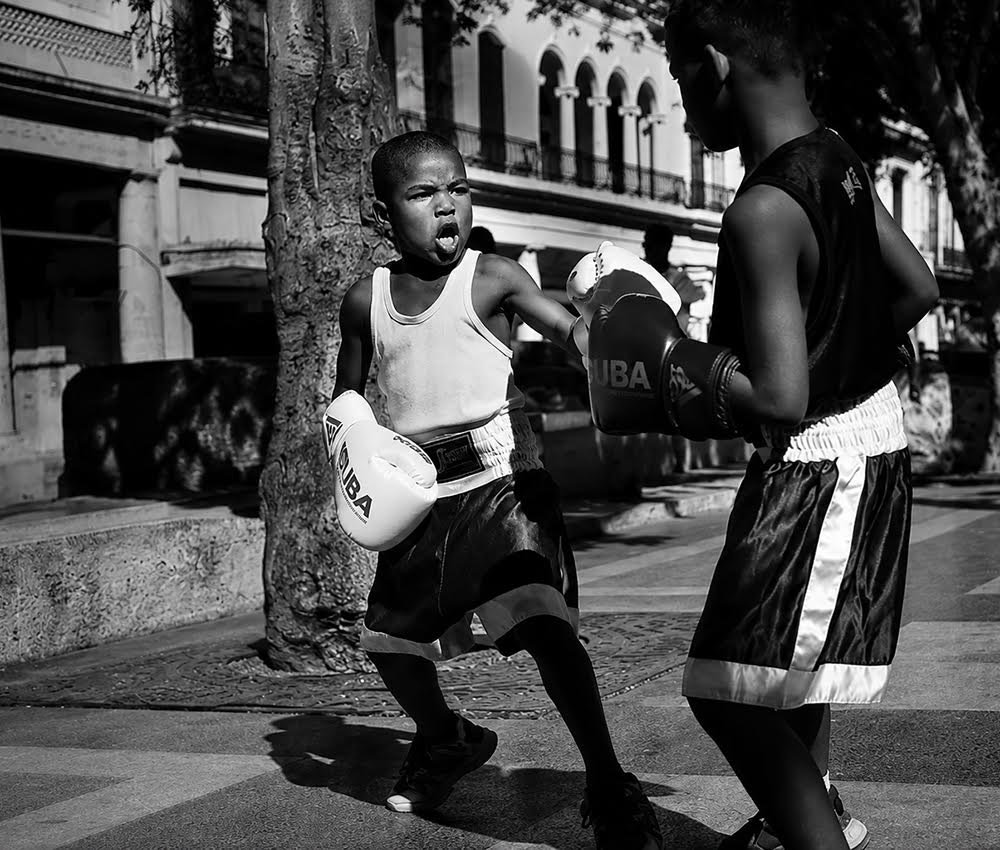
This award also strengthens my commitment to what has always guided my photography: taking the time to listen, to observe, and to create images that value authentic human relationships over visual impact.
What moves me most, however, is the thought that a moment shared with someone can, years later, touch another person on the other side of the world. That invisible thread between people is, to me, one of photography’s greatest gifts.
My first piece of advice would be not to try to guess what juries are looking for. Competitions will always be there, but a personal vision is built over time. The photographs that leave a lasting impression are rarely those that follow trends; they are the ones that express an honest vision and a genuine necessity.
I would also encourage photographers to devote as much time to editing as they do to making photographs. For a long time, I believed that selecting my strongest images was enough. With experience, I realized that choosing the photographs, deciding their sequence, finding the right titles, writing the accompanying text, and creating a coherent body of work require almost as much work as making the images themselves. A series is built through the dialogue between images, not by simply assembling good photographs.
I would also advise photographers to think carefully about the category in which they submit their work. The same photograph can be perceived very differently depending on whether it is entered as portrait, documentary, street photography, or fine art. Choosing the right category is both an artistic and a strategic decision, and it is worth taking the time to understand the spirit of each competition before submitting your work.
International competitions also require perseverance. It is better to choose them carefully, focusing on those that genuinely match your photographic approach rather than trying to be present everywhere.
Above all, never stop photographing. Go out, develop personal projects, keep your camera with you, and remain curious about the world. Over time, photography becomes more than a practice; it becomes a way of living and thinking. There are moments when you see a photograph but cannot take it, or when your camera is simply not with you. Yet that image still exists within you. It nourishes your memory, sharpens your eye, and continues to shape the way you see the world. Nothing is ever truly lost.
Finally, trust your own vision, while accepting that confidence is built through work. Photography is an immense joy, but it is also a daily commitment. Keep photographing, observing, learning, questioning your work, and beginning again. Awards are precious because they encourage us, open new opportunities, and inspire us to continue this journey with even greater dedication and passion.
More conversations
Explore more interviews
 ARTIST INTERVIEWS
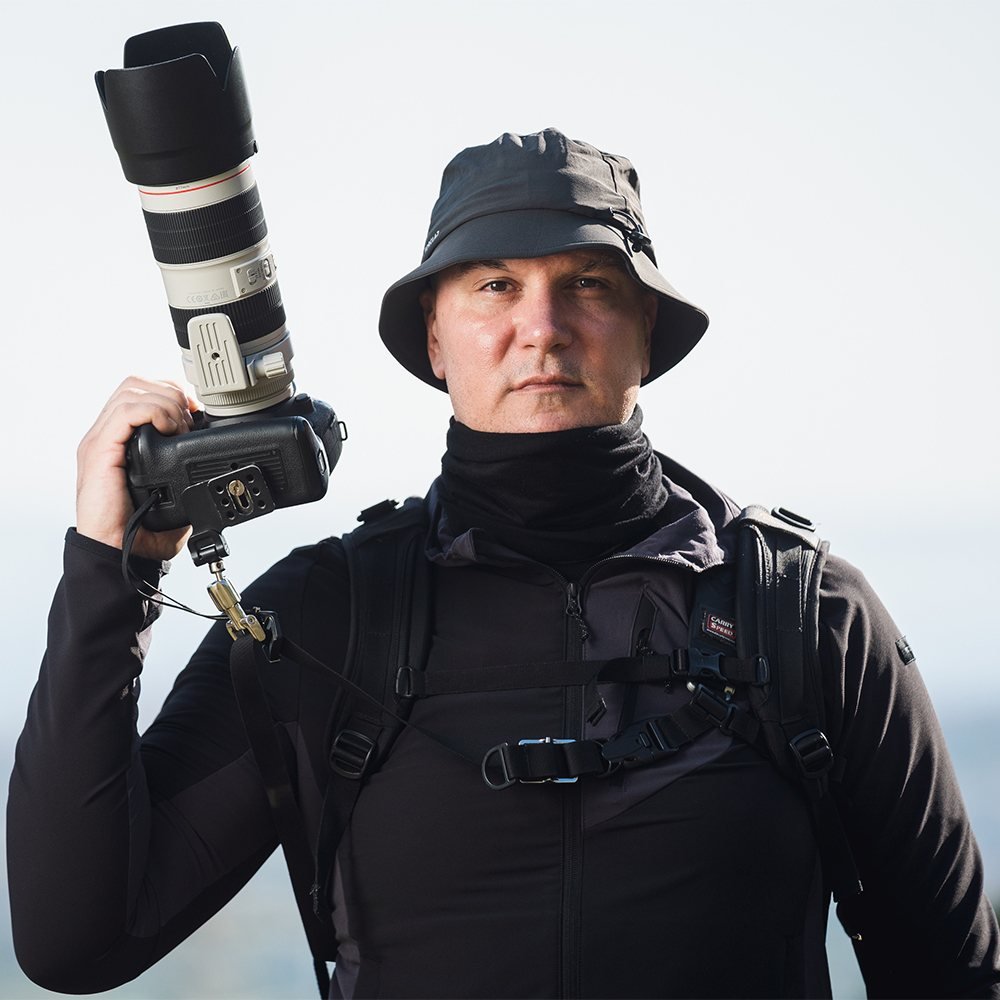
Jurica Galić Juka
A photograph of Indonesia’s Pacu Jawi festival captures charging bulls, flying mud and the strength of a farming tradition. The conversation explores working close to unpredictable action and preserving cultural stories through documentary photography.
Read more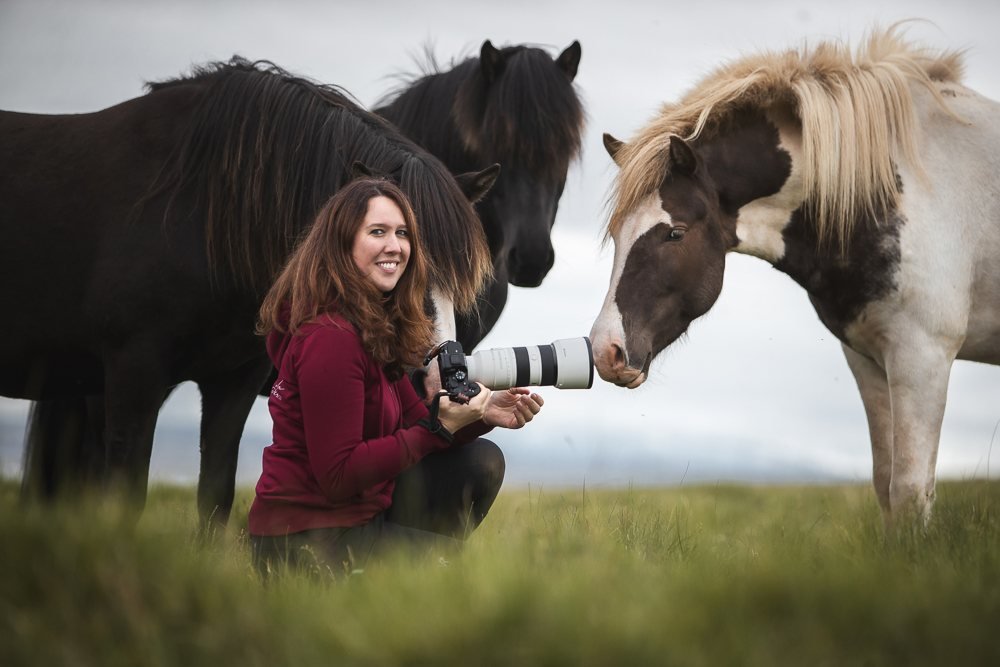 ARTIST INTERVIEWS
Denise Strauch
Horses photographed in snow, close detail and an unexpected industrial setting reveal the expressive possibilities of minimalism. Careful planning meets the uncertainty of weather and animal behaviour, with each composition seeking a sense of individuality and calm.
Read more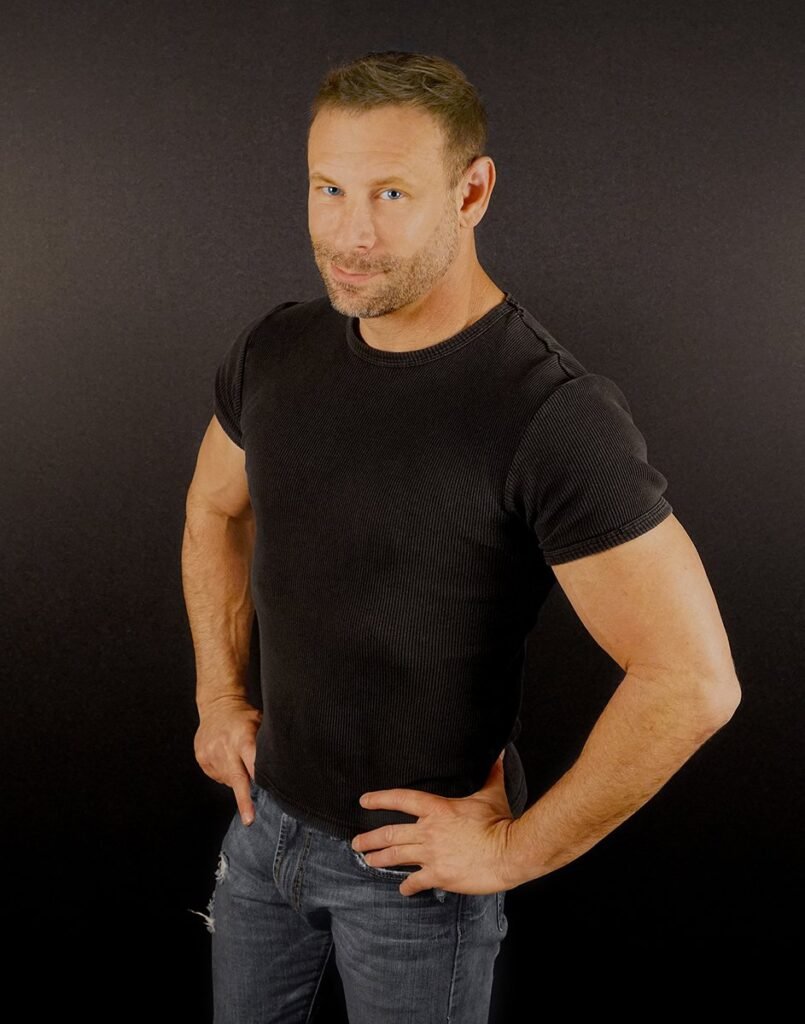 ARTIST INTERVIEWS
Craig Bill
A difficult journey to the Wave brings uncertainty, stormy weather and personal vulnerability into a landscape photograph. The conversation explores persistence, a lifelong connection with nature and the wish to spark curiosity through visual storytelling.
Read more