
Golden Shot Conversations
Fanja Hubers
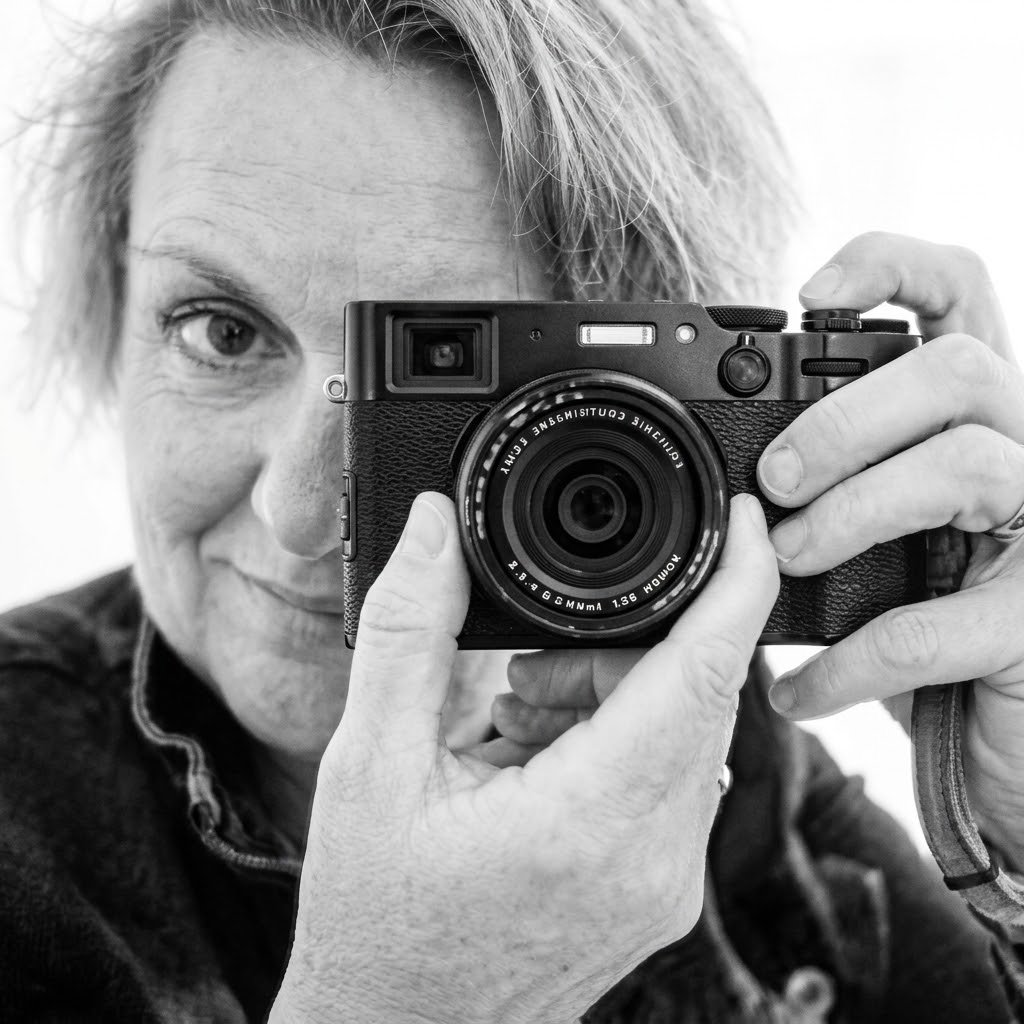
My name is Fanja Hubers, and I’m a photographer from the Netherlands. Alongside photography, I work as an economics teacher. My interest in photography began when I was a child, watching my father take pictures. I received my first camera in 1982, and from that point on, photography gradually became an important part of my life. Today, it’s a way for me to observe the world around me and express what catches my attention.
The photograph that received recognition is part of my project One Moment in Time. I took it on a busy beach on a summer day. There were people everywhere, enjoying themselves, but my attention was drawn to a woman sitting quietly on her own. I was struck by the contrast between the lively, crowded surroundings and the stillness of that one moment. It felt like something worth capturing.
I wasn’t trying to tell a particular story with this photograph. What interested me was the moment itself and the possibility that different people might see something different in it. There was a sense of quietness and reflection that I think many of us can relate to. Sometimes, an image doesn’t need a clear narrative. It can simply capture a feeling and allow the viewer to connect with it in their own way.
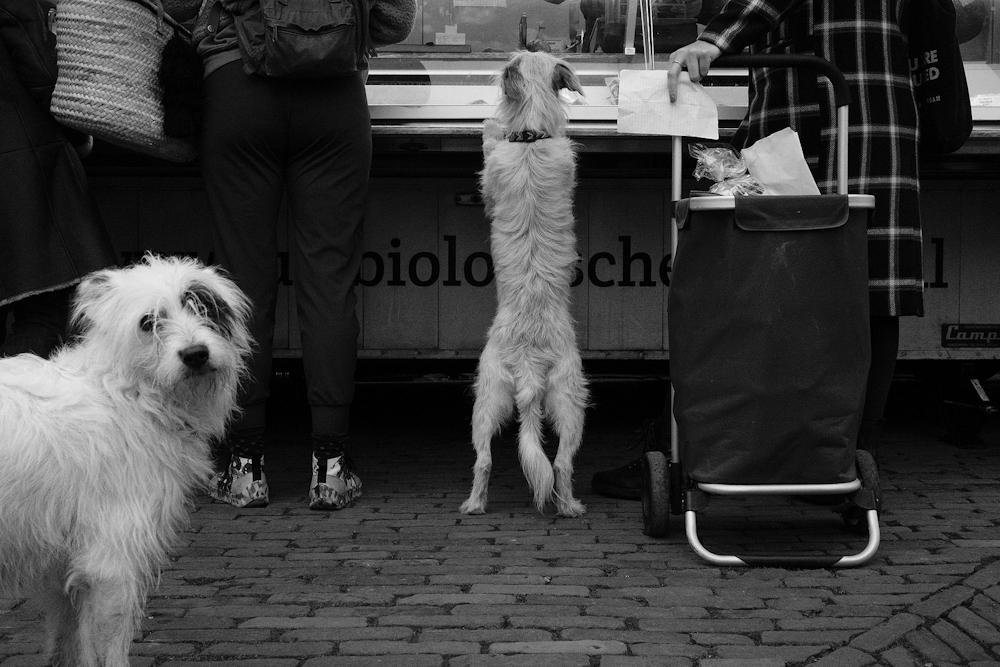
I hope the photograph encourages people to slow down and take a closer look. We often move through our daily lives without paying much attention to what is happening around us, but ordinary moments can become meaningful when we really notice them. I’m drawn to photographs that leave something open, giving viewers the freedom to bring their own experiences and emotions to the image rather than telling them exactly what to think.
The most challenging part of making this kind of photograph is often the waiting. Street photography requires patience and an attentive eye. You can never be certain when the right moment will appear, or whether all the elements will come together as you hope. Sometimes, everything happens in a matter of seconds. You have to be present, observe carefully, and be ready when the opportunity comes.
I would describe my photographic approach as quiet and observational. I’m interested in simple, everyday moments that invite people to pause and reflect. I don’t feel the need to explain everything through my photographs. I prefer to leave room for interpretation and let viewers discover their own meaning in what they see.
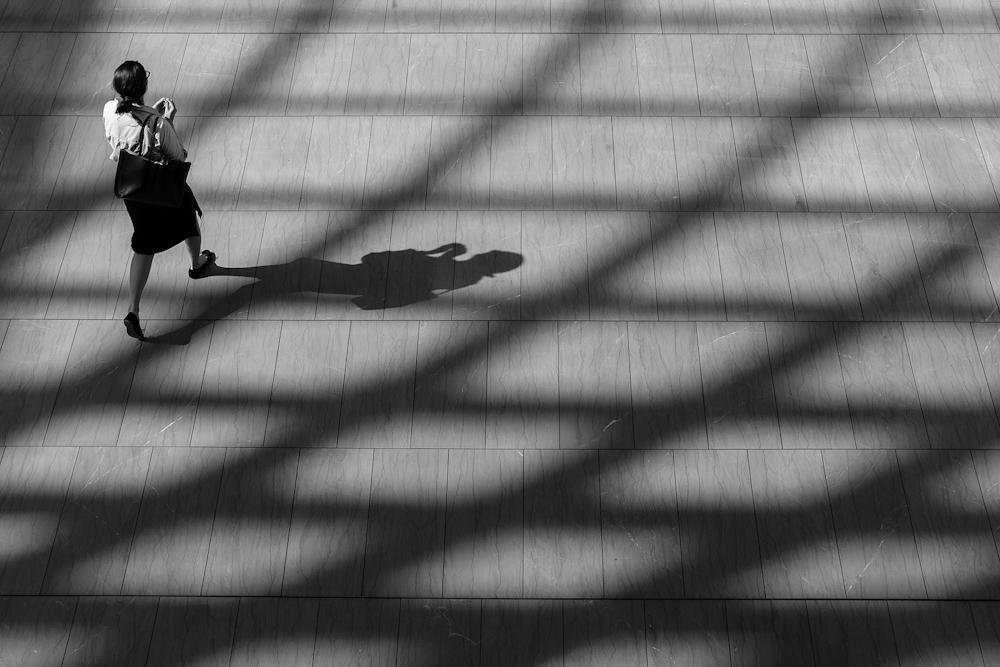
People and their relationship with their surroundings are recurring themes in my work. I’m particularly interested in connection, loneliness, and wonder. These are experiences we all encounter in different ways, and I find it fascinating how they can emerge in an ordinary scene. I don’t aim to provide answers or make definitive statements through my photographs. Instead, I hope they encourage people to look at the world a little differently.
My own experiences have influenced my photography more than anything else. I also admire photographers who are able to find beauty and meaning in everyday life. There is a quote by Burk Uzzle that has stayed with me over the years: “Photography is a love affair with life.” I feel that it captures my own relationship with photography very well. For me, it is about remaining curious, paying attention, and appreciating the moments that might otherwise go unnoticed.
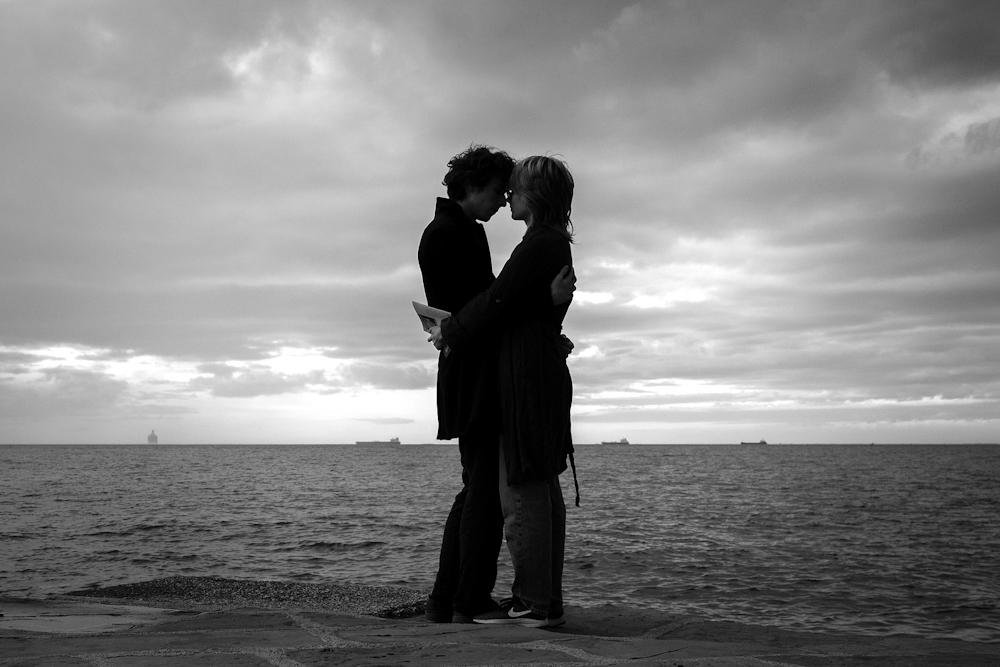
Receiving an Honorable Mention at the Golden Shot Photography Awards was a wonderful encouragement. Photography is often a very personal process, and much of the work happens quietly, without knowing how others will respond to it. So, having a photograph appreciated by an international jury is genuinely rewarding. It gives me motivation to continue working on my projects and exploring my own way of seeing the world.
My advice to photographers entering international competitions is to stay true to themselves and their own vision rather than trying to guess what a jury might want to see. Be patient, keep learning, and don’t let rejection discourage you. Every competition is different, and not every photograph will connect with every jury. What matters most is continuing to develop your own perspective and making work that feels honest and meaningful to you.
More conversations
Explore more interviews
 ARTIST INTERVIEWS
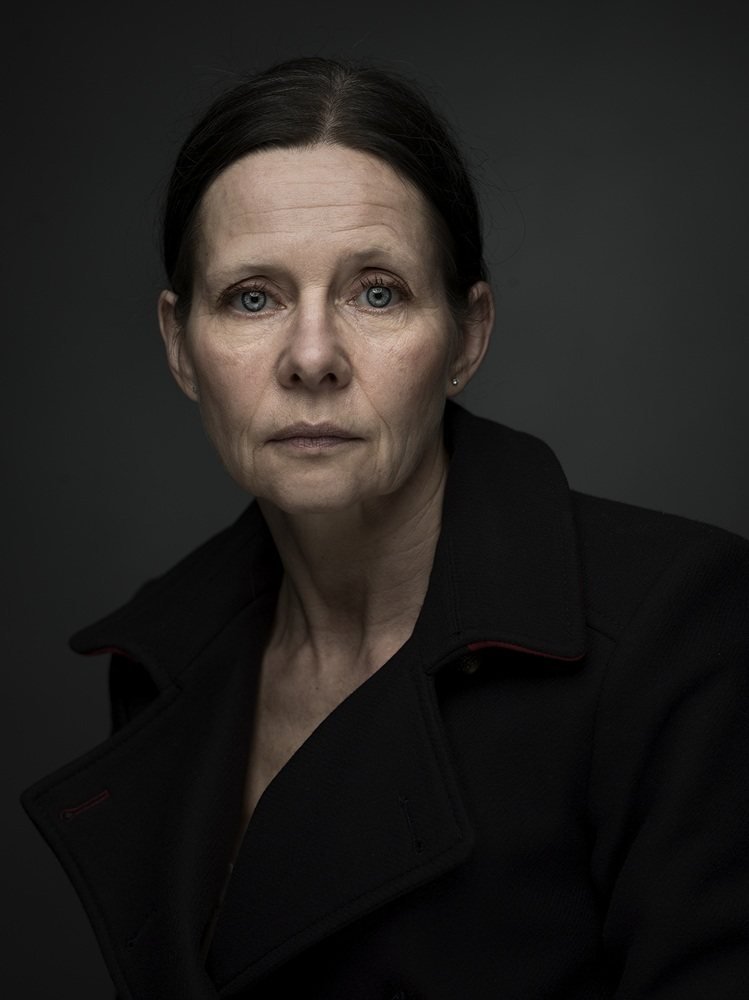
Susanne Middelberg
A background in dance and acting shapes an approach to portraiture that seeks emotion beyond appearances. The conversation explores self-portraiture, the difficulty of directing oneself and the search for an honest rather than performed expression.
Read more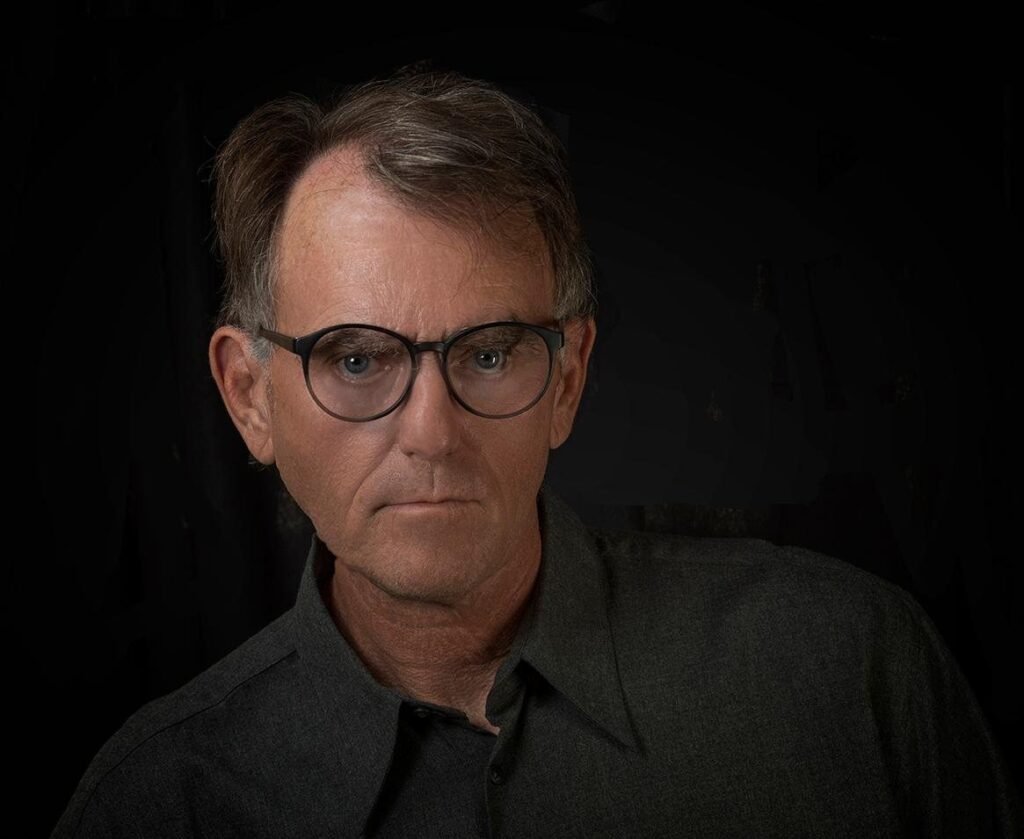 ARTIST INTERVIEWS
Stephen Wallace, M.D., J.D
Two novice monks reading by candlelight near Bagan become the focus of a quiet photograph about devotion. The conversation follows the image’s preparation, low viewpoint and the wish to introduce viewers to other cultures and customs.
Read more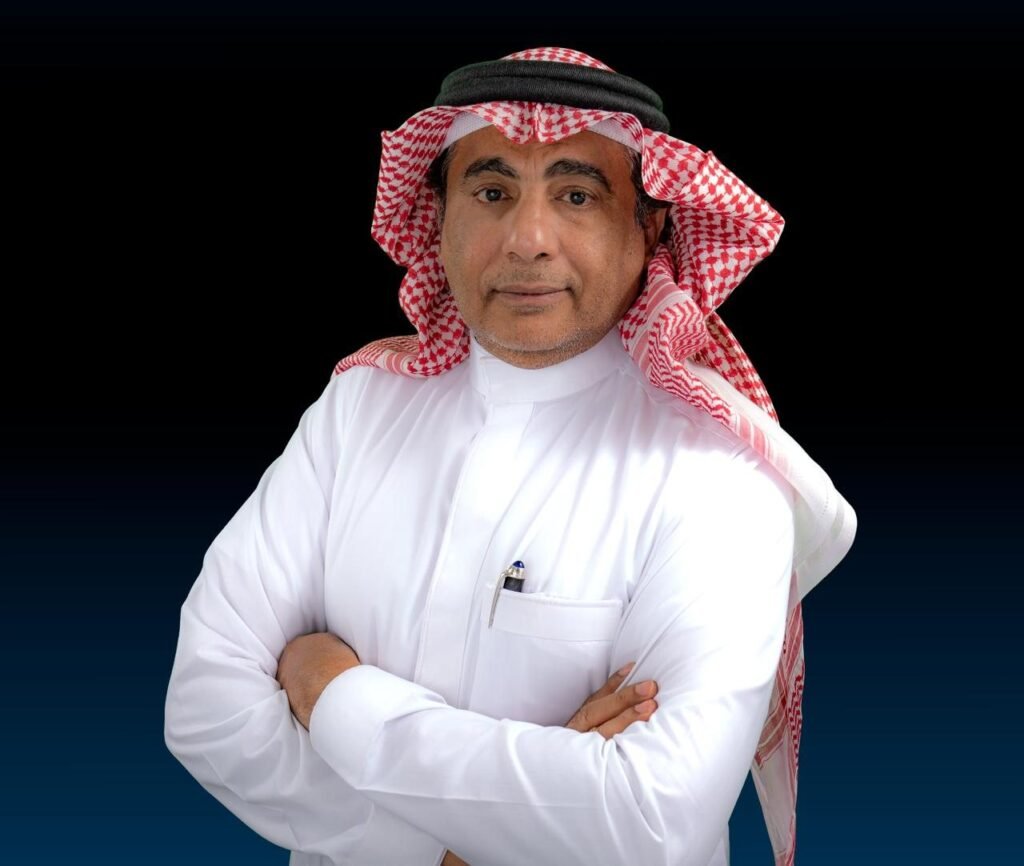 ARTIST INTERVIEWS
Mohammed Muhtasib
Documentary journeys across Bangladesh, Indonesia, Morocco and Vietnam reveal stories of resilience, tradition and everyday life. Behind the photographs are hours of observation, patient listening and the trust that makes an honest encounter possible.
Read more