
Golden Shot Conversations
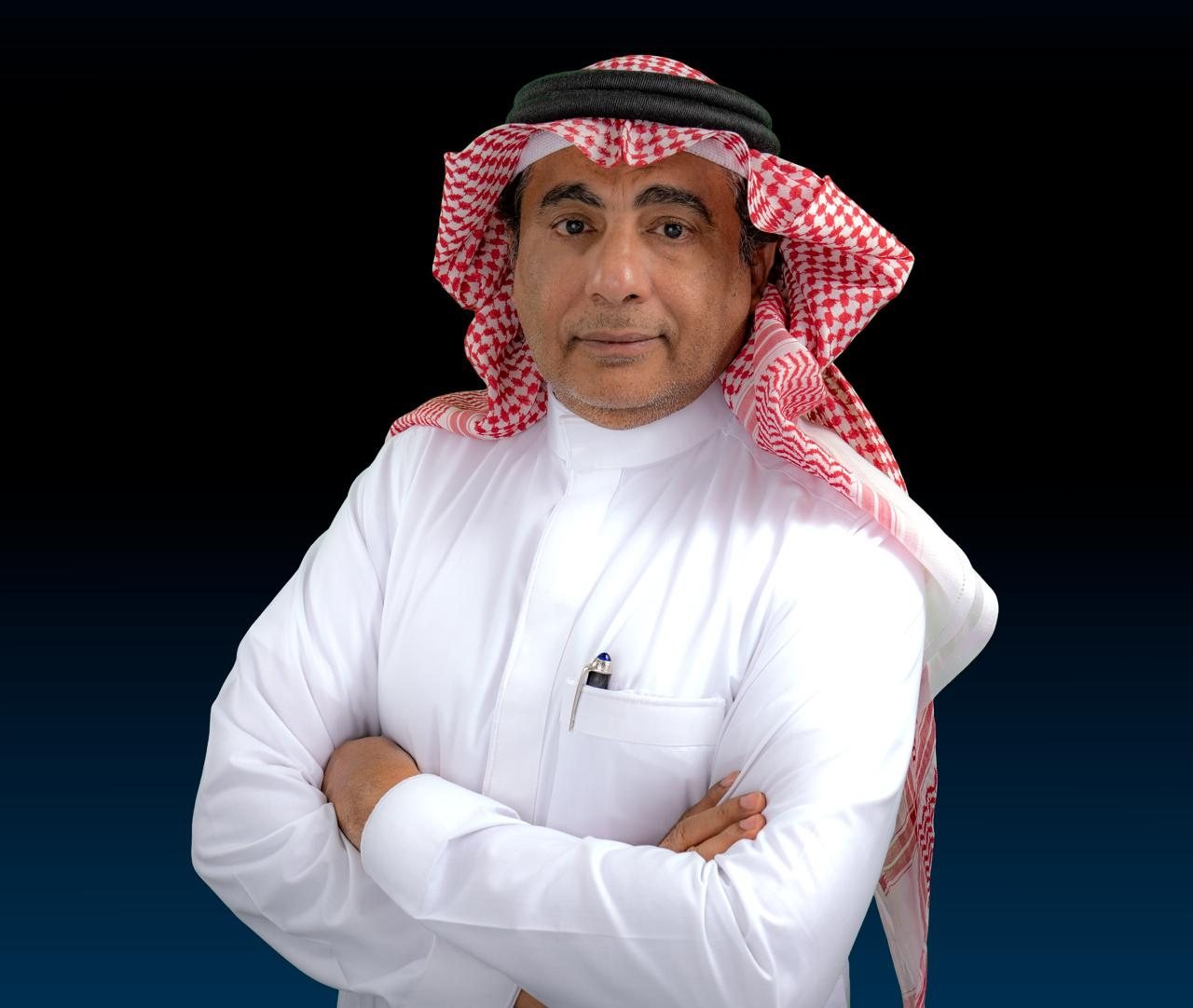
Mohammed Muhtasib
My name is Mohammed Abdu Muhtasib, a Saudi documentary photographer based in Jeddah, Kingdom of Saudi Arabia. For me, photography has never been merely about recording what the eye can already see. It is about revealing what the heart can feel, preserving what time may erase, and giving visual form to stories that might otherwise remain unheard.
My camera has taken me across continents, from remote villages and ancient traditions to vibrant communities whose daily lives reflect the richness and complexity of human civilization. Wherever I travel, I search for moments that speak a universal language: dignity, resilience, hope, devotion, struggle, and beauty. These moments remind us that despite differences in geography, culture, language, and belief, we remain connected by a shared humanity.
Over the years, I have been honored with more than 1,400 international photography awards from over 70 countries. My work has been recognized by prestigious photographic organizations, including the International Federation of Photographic Art (FIAP), the Photographic Society of America (PSA), the Global Photographic Union (GPU), and the Saudi Society for Culture and Arts.
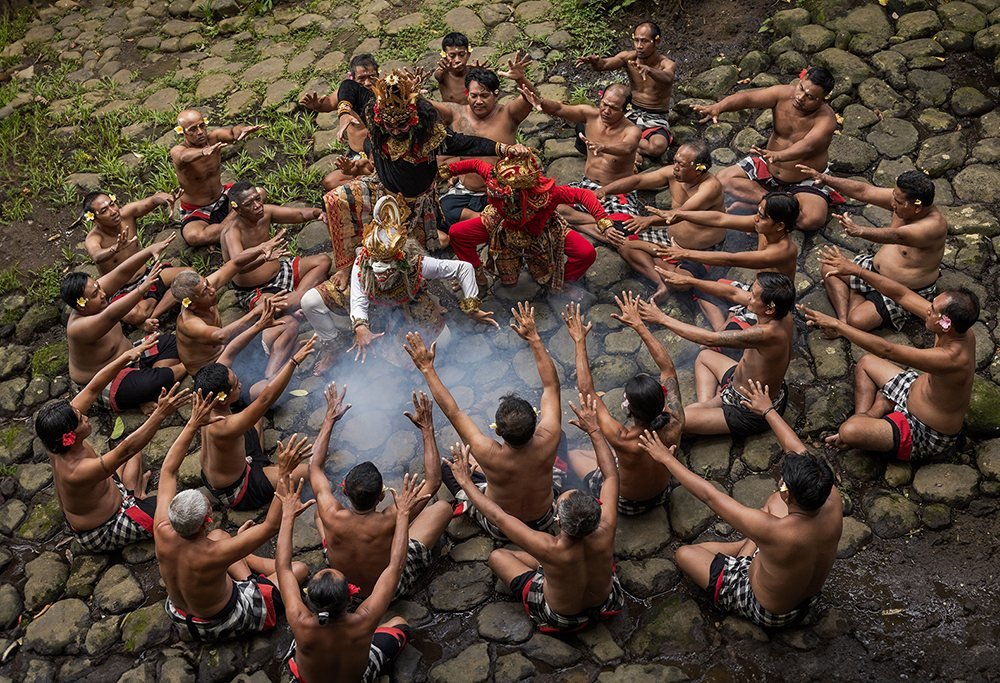
I was also ranked first in the national ranking of the Kingdom of Saudi Arabia in 2024 by the International Association of Art Photographers and received the Saudi Arabia National Award at the Sony World Photography Awards 2025.
In 2022, I published my photographic book, Stories of Light, a visual journey through landscapes, cultures, traditions, and the everyday lives of people from diverse backgrounds. More than a collection of photographs, the book is an invitation to look at the world with curiosity, compassion, and respect, and to discover the human connections that exist beyond borders.
Beyond awards and exhibitions, I am deeply committed to the development of visual culture through lectures, educational initiatives, exhibitions, and international cultural collaborations. I believe photography can preserve heritage, encourage dialogue, inspire younger generations, and build bridges between communities. My greatest ambition is not simply to create memorable images, but to leave behind a meaningful visual record of the people, places, and traditions I have had the privilege to encounter.
The Photographer of the Year title reflects a diverse body of work created across several countries and photographic categories. The recognized works include:
I am a Saudi photographer from Jeddah, Kingdom of Saudi Arabia, although photography has gradually made the entire world feel like an extension of home. My journey began with a simple fascination for people and for the quiet stories hidden within everyday life. I was drawn not only to remarkable events, but also to the gestures, expressions, routines, and traditions that often pass unnoticed.
Over time, that fascination developed into a serious commitment to documenting cultures, heritage, nature, and human experience. I came to understand that photography could do far more than produce an attractive image. It could preserve memory, protect cultural identity, connect strangers, and allow a fleeting moment to survive beyond its own time.
Photography taught me that extraordinary stories do not always exist in extraordinary places. They often live in ordinary people, waiting for someone patient enough to notice them. Since then, each journey and every photograph have become part of a larger mission: to preserve memory through light and to create images that allow people to see one another with greater empathy and understanding.
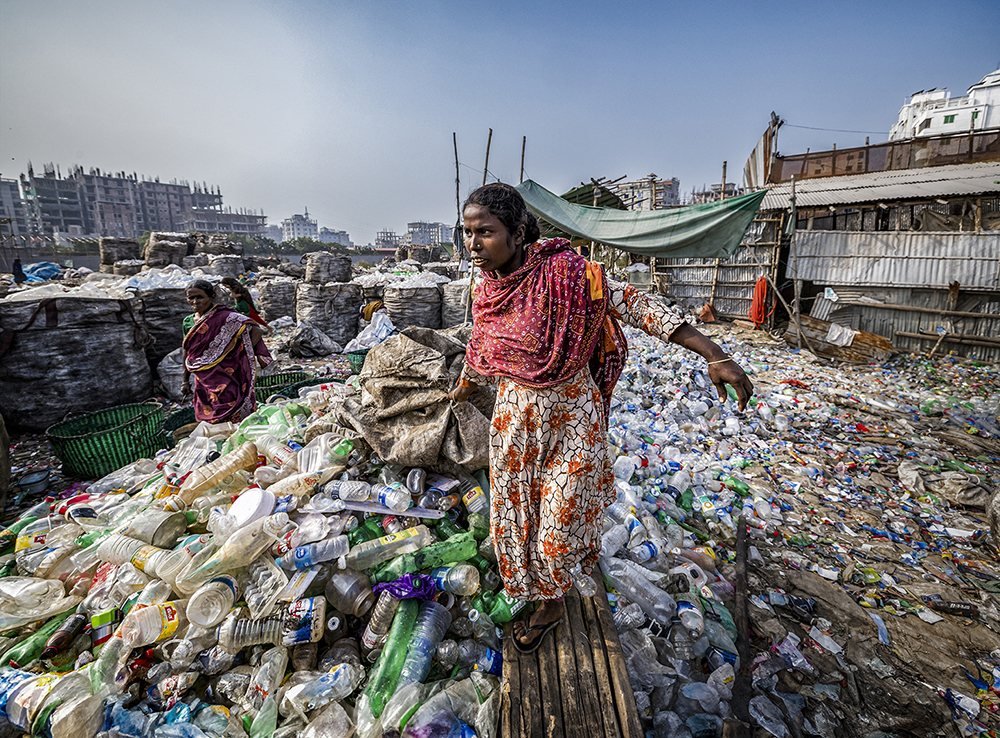
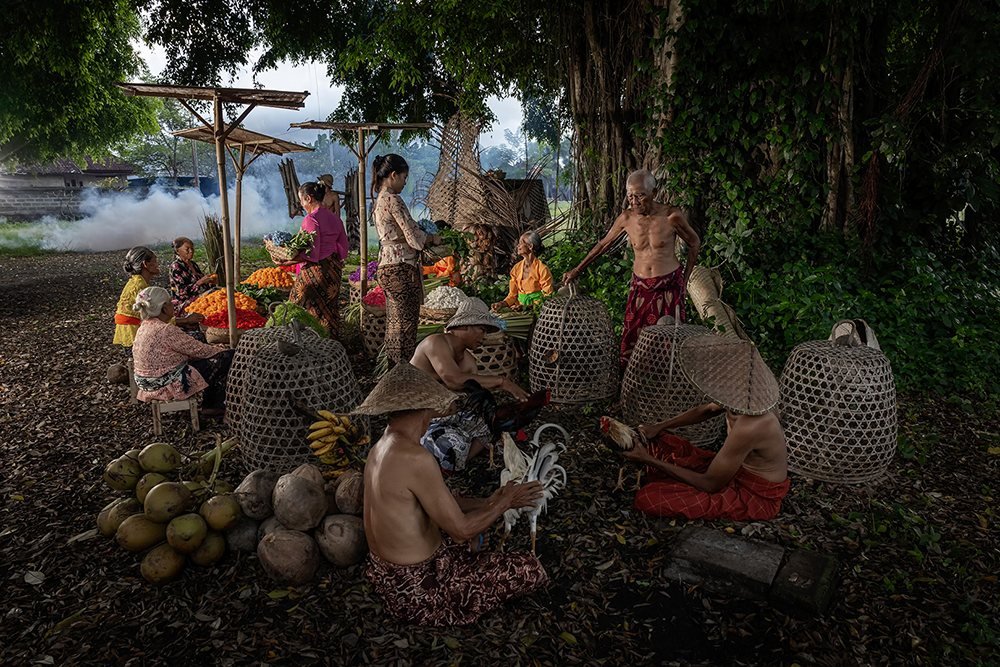
This recognition was not built around a single photograph. It reflects a wider body of work created during several documentary journeys across Bangladesh, Indonesia, Morocco, and Vietnam. Each image came from a different environment and cultural context, yet all were created with the same commitment to authenticity, patience, and respect.
The Gold-winning series, A Day in the Life of a Disabled School Principal, was photographed in Panchdona, Bangladesh. It follows Altaf Hossain, known as Dukhu Mia, who was born without arms in 1962 and founded the Protibha Dukhu Mia Kindergarten School. I documented his daily routine as he led students, taught lessons, wrote on the blackboard with chalk held between his toes, and carried out ordinary responsibilities with extraordinary determination.
Angry Horse was photographed during a traditional horse competition in Bromo, Indonesia. At a moment of intense resistance, the horse rose against its handler and sent volcanic dust into the air. The image brought together physical power, tension, instinct, and the stark beauty of the landscape. Cow Race Festival was also created in Indonesia, amid mud, speed, noise, spectators, and the force of a longstanding rural tradition.
Echoes of Originality was photographed during a Tbourida performance in Rabat, Morocco. The synchronized charge of the riders and the simultaneous firing of their rifles created a moment in which history, honor, discipline, and communal pride became visible within a single frame. Tongi Train Station in Dhaka came from a very different setting: a vast human flow surrounding and covering a train, expressing the density, urgency, and extraordinary rhythm of daily life. Incense Vietnam transformed a traditional working environment into a more abstract visual language through color, pattern, scale, and human movement.
None of these photographs was staged. They were created by spending time in the environment, observing before photographing, understanding the rhythm of the event or community, and waiting for the moment when story, emotion, composition, and light came together naturally. For me, documentary photography is never about arriving, taking a picture, and leaving. It begins with human connection and requires the photographer to understand before asking to be understood.
Although the photographs differ in subject, country, and visual language, they share one central idea: the extraordinary depth found within ordinary human life. The collection explores resilience, cultural identity, dignity, tradition, collective energy, and the relationship between people and their environment.
The school-principal series speaks about determination without turning the subject into an object of pity. Dukhu Mia is presented through his leadership, discipline, intelligence, and contribution to his community. The horse and cattle-racing images speak about power, risk, control, instinct, and the persistence of traditional practices. The Tbourida photograph celebrates heritage not as something frozen in the past, but as a living expression of identity and communal memory.
More conversations
Explore more interviews
 ARTIST INTERVIEWS
Doug Caplan
Valencia’s City of Arts and Sciences becomes a series of black-and-white studies in rhythm, shadow and geometry. Careful observation and restraint turn familiar buildings into abstract compositions, inviting viewers to notice relationships they might otherwise overlook.
Read more ARTIST INTERVIEWS
MATEO BORRERO
A Ticuna man beside an ancient ceiba tree brings the Amazon’s falling water levels into focus in Water Line. The conversation explores documentary travel, environmental change and the communities whose lives are closely connected to the river.
Read more ARTIST INTERVIEWS
Jurica Galić Juka
A photograph of Indonesia’s Pacu Jawi festival captures charging bulls, flying mud and the strength of a farming tradition. The conversation explores working close to unpredictable action and preserving cultural stories through documentary photography.
Read more