
Golden Shot Conversations
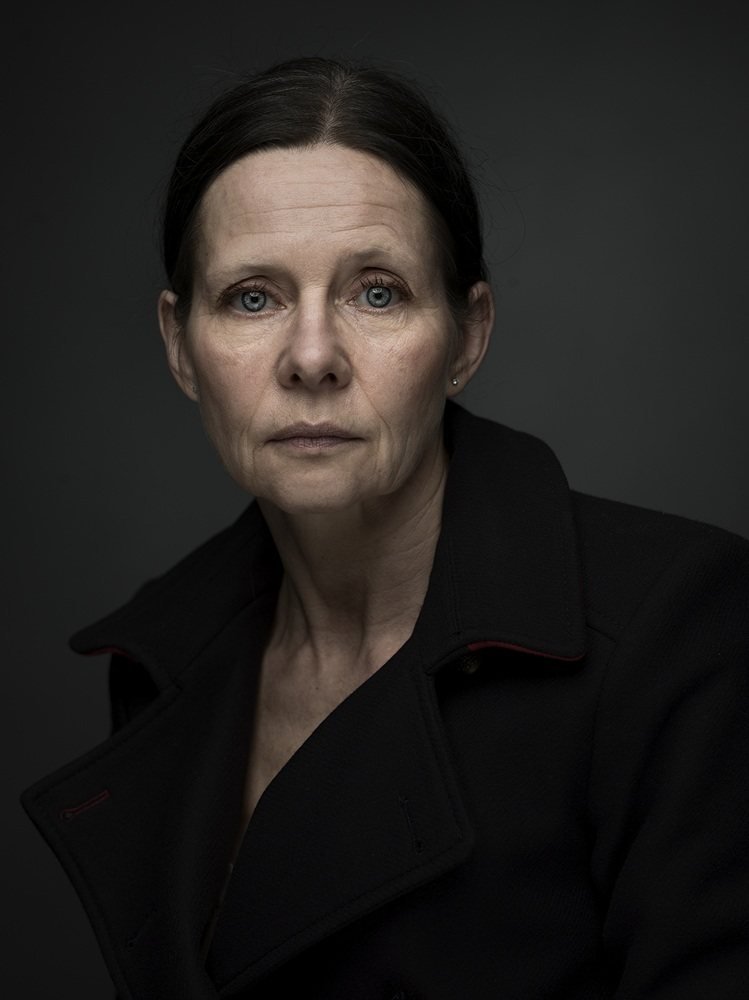
Susanne Middelberg
In this Golden Shot Photography Awards interview, Susanne Middelberg shares the story behind their creative journey, awarded work, and ongoing photographic vision.
I am a dancer, actress, and photographer. I studied dance at the Folkwangschule in Essen and later at ArtEZ in the Netherlands. Afterwards, I studied acting at the Meisner Acting Academy in ’s- Hertogenbosch and the Toneelschool Rotterdam. Alongside my work on stage and in front of the camera, I work as a photographer. My background in dance and acting has profoundly shaped the way I see people and the way I photograph them. Where and under I created this self-portrait during a period in which I was overwhelmed by fear, grief and confusion.
At the time, I had no understanding of where these feelings came from. I only knew they were intense and impossible to ignore. Today I understand what was underneath them, although I still struggle to fully comprehend it. Even now, it feels completely unreal. A few months after making this photograph, my partner at the time, someone with whom I had shared a deeply loving and intense relationship for eight years, revealed that he had been living double lives throughout every relationship he had had over the past thirty years. According to what he told me, he had maintained parallel relationships with two, three or sometimes even four women at the same time.
He described how he carefully planned and controlled every aspect of those separate lives, keeping his children, friends and partners completely unaware. He lived inside a perfectly constructed web of lies. He also told me that, for over a year, he had been living in two completely different worlds. In one, he had convinced people around him that our relationship had already ended. In the other, he continued our life together as though nothing had changed, making plans for our future together and making promises about the life we would share.
One of the most painful things he told me was that he had deliberately manipulated the people around me so that, if I ever spoke about what had happened, no one would believe me. He made people question my credibility and my mental state, making sure his double life will never be exposed. Perhaps the most devastating confession was that he had intentionally manipulated me emotionally. He knowingly inflicted pain, fear, and psychological distress until I repeatedly reached the point where I no longer wanted to live.
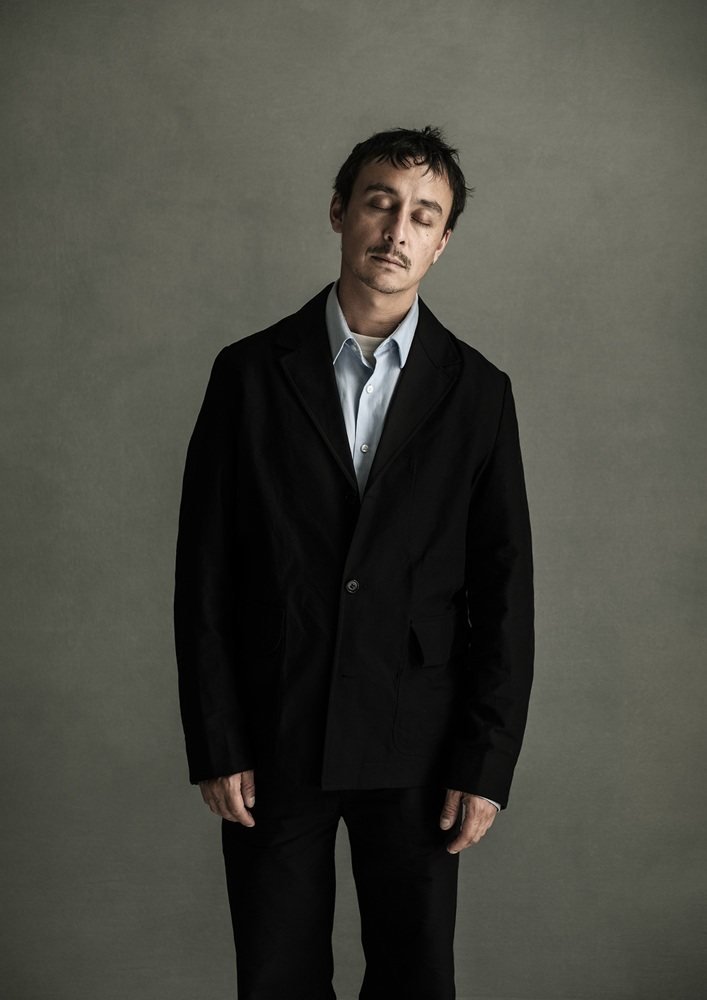
Each time, he would return as my rescuer, kind, loving, and protective partner, making me feel completely safe again. This cycle continued for months. At that time, I knew nothing about his double life. I had no idea that any of this was deliberate. I couldn’t understand where my fear came from. It was during that period that I created these self-portraits. The photographs became a way of capturing emotions I could feel deeply but had not yet consciously understood.
For eight years, I loved a man I never truly knew. Creating a self-portrait is inherently paradoxical. I have to direct myself, which means I can never be completely unaware of myself. I observe myself with a kind of helicopter view. At the same time, I am searching for something authentic an emotion that is truthful rather than performed. As both photographer and subject, I observe myself almost from a distance while trying to remain emotionally present. Holding those two positions simultaneously is one of the greatest challenges of self-portraiture. In this particular work, the overwhelming sadness and fear I was experiencing made that process even more demanding.
My work has been described as intense, honest and cinematic. I am fascinated by the complexity of human beings. Rather than capturing appearances, I try to reveal emotional layers that often remain unseen. My hope is that the viewer recognizes something deeply human in the image, whether it belongs to the person portrayed or to themselves. There is nothing more fascinating to me than people. I prefer photographing people in my studio, away from the distractions of their environment. That creates a space where all attention can be focused on the person in front of me.
It allows us to discover different sides of their personality together. The relationship that develops between the person I photograph and myself is an essential part of the work. The portrait emerges from that encounter. Jan Saudek, Stephan Vanfleteren and Richard Learoyd have all had a significant influence on the development of my photography. Receiving an award for this particular photograph means a great deal to me because it is so deeply personal.
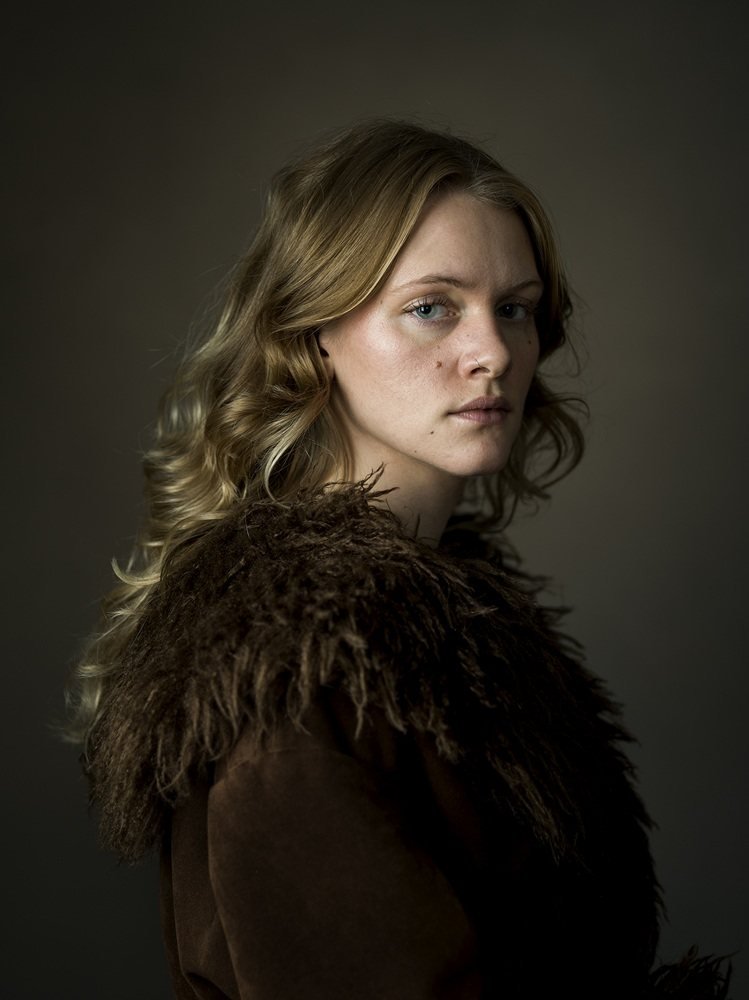
This is probably the most honest and emotionally confronting self-portrait I have ever made. It wasn’t created with the intention of entering competitions. It was created because I needed to understand something I couldn’t yet put into words. To have that deeply personal work recognized makes this award especially meaningful. I’m not sure I’m the right person to give advice about competitions. Personally, I don’t create work with competitions, galleries, or exhibitions in mind. My only real ambition is to remain true to myself and to make photographs that feel honest. If recognition comes from that, it’s something I’m deeply grateful for. But it has never been my starting point.
More conversations
Explore more interviews
 ARTIST INTERVIEWS
Doug Caplan
Valencia’s City of Arts and Sciences becomes a series of black-and-white studies in rhythm, shadow and geometry. Careful observation and restraint turn familiar buildings into abstract compositions, inviting viewers to notice relationships they might otherwise overlook.
Read more ARTIST INTERVIEWS
Stephen Wallace, M.D., J.D
Two novice monks reading by candlelight near Bagan become the focus of a quiet photograph about devotion. The conversation follows the image’s preparation, low viewpoint and the wish to introduce viewers to other cultures and customs.
Read more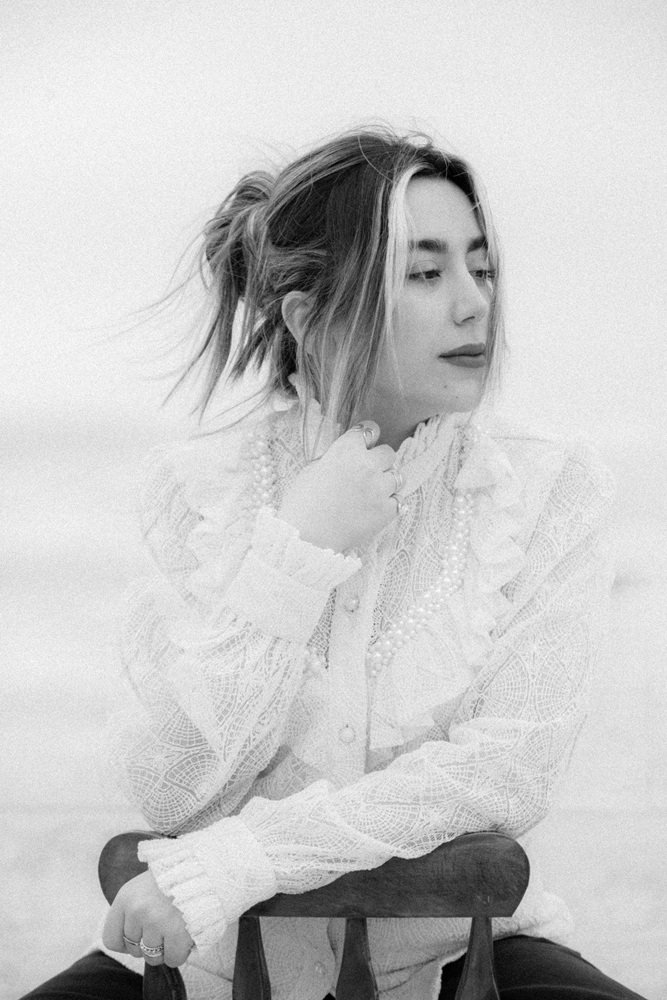 ARTIST INTERVIEWS
Nadiya Dini
Everyday scenes become starting points for an imagined world with more than one layer of reality. Memories of analog photography, cinema and painting shape a search for simple images that leave room for uncertainty and imagination.
Read more