
Golden Shot Conversations
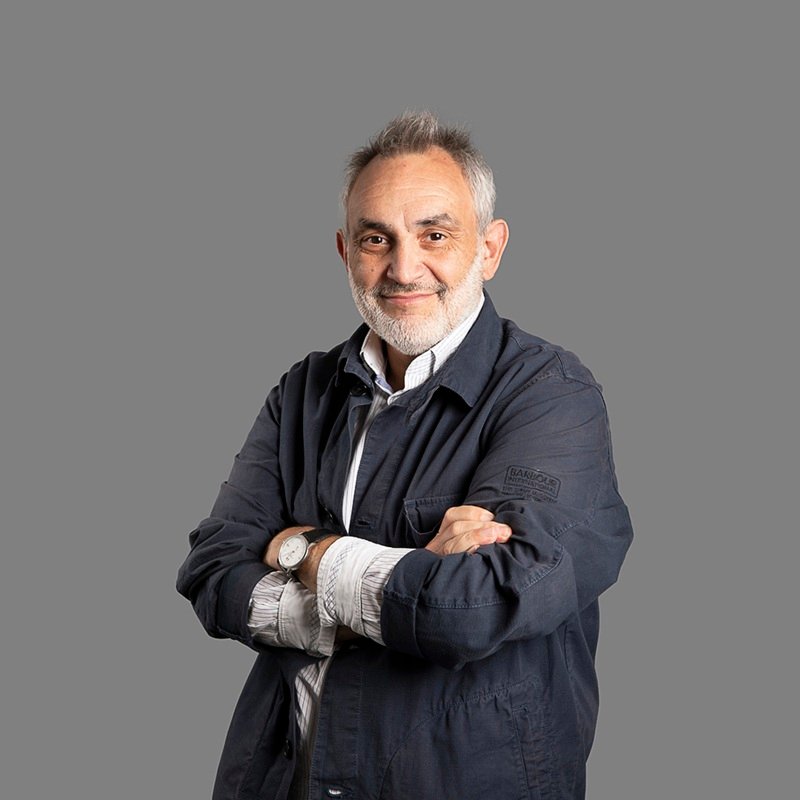
Benoit Rondelet
Benoît Rondelet approaches nature with the quiet attention of someone listening to a confidence. His photographs capture moments of stillness in which the beauty of the natural world meets its fragility.
As a thoracic surgeon and lung transplant specialist, he has spent much of his professional life helping people breathe again. Over time, his attention gradually turned toward another kind of breath—the breath of the living world.
This connection became especially powerful during the COVID-19 pandemic. While serving as Medical Director of the CHU UCL Namur Group in Belgium, he experienced the fragile boundary between life and death at close range. That period awakened in him a strong desire to bear witness to life in all its forms.
His wildlife photography is not simply about recording animals or rare encounters. He wants his images to reveal a presence and create a connection between the viewer and the subject. Through light, texture, expression, and silence, he tries to communicate a simple idea: every living being, whether small or majestic, shares the same breath of life.
For Rondelet, photography is also a form of faith. It is not connected to religious dogma, but to a way of seeing the world shaped by science, ethics, and spirituality. Nature can be understood as the Cosmos, Creation, or simply the extraordinary reality around us. Whatever name we give it, his photographs ask us to consider what remains of our humanity if we forget to care for the world from which we came.
His award winning project focuses on the relationship between humans and great apes. Chimpanzees, bonobos, gorillas, and orangutans share more than 98 percent of their DNA with humans, but the connection goes far beyond genetics. They also possess emotional sensitivity, complex social intelligence, and the ability to learn, communicate, and pass knowledge from one generation to another.
In their behavior and expressions, Rondelet recognizes some of the foundations of what we call humanity. The painful contradiction is that human activity is now placing these animals at serious risk.
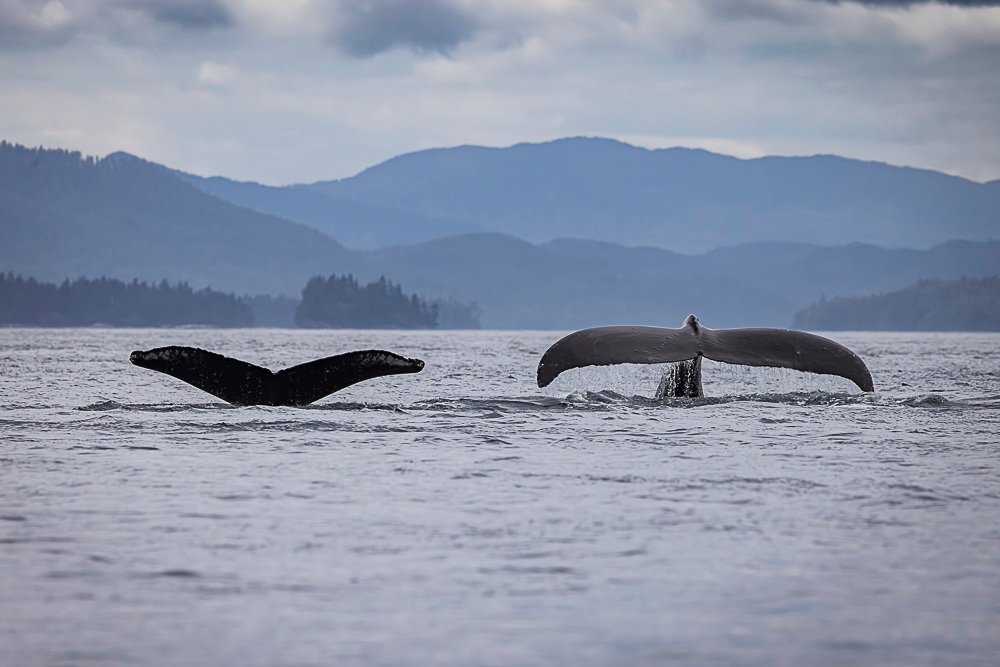
Rather than simply documenting great apes, he wanted the project to create a connection with them. His photographs act as bridges between science and spirituality, humanity and nature, and what we can see and what we can only feel. The animals are not presented as objects of observation. They are shown as living beings with dignity, intelligence, and presence.
At the same time, the photographs confront viewers with their own responsibility. Species are currently disappearing at a rate estimated to be far higher than the natural rate of extinction. Deforestation, industrial agriculture, overexploitation of resources, climate change, pollution, and disease are destroying ecosystems that took millions of years to develop.
Every day, vast areas of forest disappear. These forests are not merely places where great apes live; they are complex systems in which every species plays a role. Great apes, for example, are important seed dispersers. Because they travel over large areas and consume fruit, they help tropical forests regenerate and maintain their natural balance. This is why they are often described as keystone species and guardians of the rainforest.
Their disappearance would affect far more than their own populations. Entire ecosystems depend on their continued presence.
Unfortunately, great apes are particularly vulnerable. They reproduce slowly, remain dependent on their mothers for long periods, and need years to learn how to survive within complex social groups and changing forest environments. When their populations decline, recovery can take a very long time. Habitat destruction, poaching, mining, and armed conflict make the situation even more serious.
Nearly all great ape species are now threatened with extinction, and several are classified as critically endangered by the International Union for Conservation of Nature. Orangutans are among the clearest examples. Their name literally means “person of the forest,” yet they have lost around 80 percent of their habitat in only two decades, while their populations have been reduced by half.
International initiatives such as the United Nations Great Apes Survival Partnership bring governments, researchers, NGOs, and local communities together to address this crisis. For Rondelet, one of the most important lessons from these efforts is that conservation cannot succeed without local people.
Communities living in and around these environments should not be treated as obstacles. They are essential partners and often the first guardians of the land. International agreements such as CITES and the Convention on Biological Diversity provide important legal tools, but legislation alone is not enough. Meaningful protection also requires political will, financial support, and genuine cooperation between countries.
Protecting great apes ultimately means protecting entire ecosystems. It requires action against deforestation connected to industries such as palm oil, soy, and timber. It also means creating and properly managing protected areas, supporting scientific research, monitoring wildlife populations, and providing long term funding for conservation programs.
The human side of conservation cannot be ignored either. Environmental protection is closely connected to education, healthcare, social justice, and sustainable economic opportunities for local communities. It is difficult to protect a forest without also considering the lives and needs of the people who depend on it.
Rondelet believes that real change will also require us to question our habits of production and consumption. The things we buy often have consequences in places we never see. Recognizing these connections is essential if we want to understand our role in environmental destruction and our ability to help stop it.
At its heart, his project is a call to conscience. Protecting great apes is not only an environmental duty; it is an ethical responsibility. His photographs invite viewers to imagine what the world would become if its forests were stripped of life and reduced to silence.
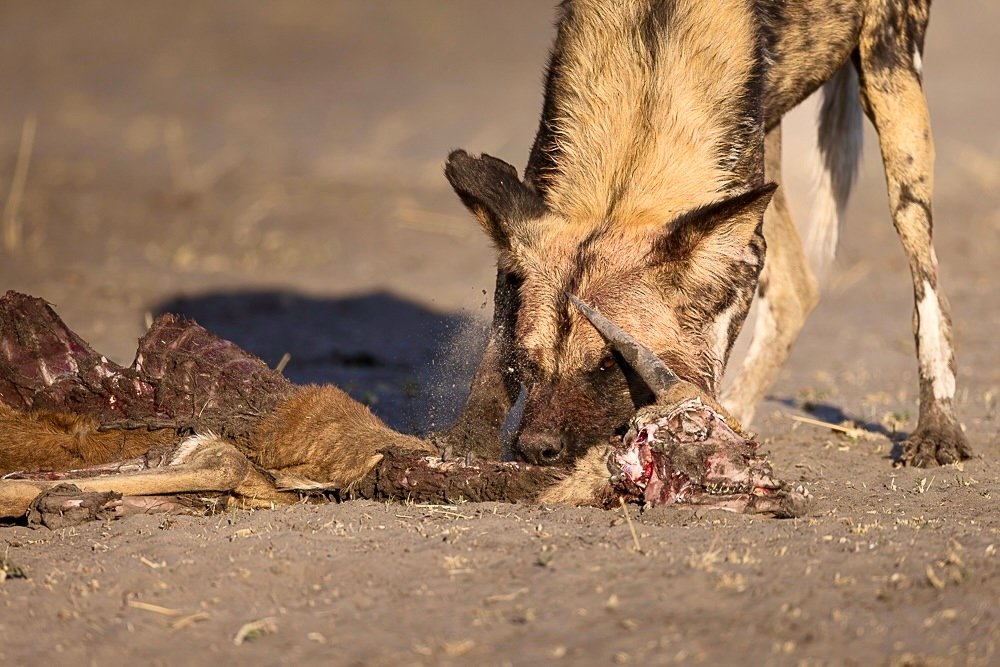
Nature, in his work, is never treated as background scenery. It is a presence. By looking carefully at another living being, we may also rediscover something within ourselves. If the forests fall silent one day, it will not only be the voices of great apes that disappear. Part of our own humanity will disappear with them.
Finding time for photography remains one of Rondelet’s greatest challenges. His responsibilities as a thoracic surgeon, lung transplant specialist, university professor, and hospital leader occupy much of his life. Photography is therefore not something he can approach casually. Every expedition must be carefully planned and have a clear purpose.
He chooses destinations where photography can become a form of testimony places facing serious conservation challenges and where images may help people understand what is at stake. He is not interested in rarity or visual spectacle simply for their own sake.
Before each journey, he and his wife carefully organize the itinerary. Their goal is to use their time responsibly, avoid unnecessary travel, and meet people working directly in conservation. These encounters are an important part of the process.
Rondelet does not believe taking photographs is enough. He wants to listen to the people who have dedicated their lives to protecting animals and habitats, understand the realities they face, and support their work whenever possible. In this way, the photographs become part of a wider commitment rather than an isolated artistic project.
He is also aware of the contradiction involved in traveling to photograph environmental issues. To reduce his impact, he prefers longer but less frequent journeys, carefully plans each trip, and avoids unnecessary travel. For him, defending nature requires consistency between what a person believes and how that person lives.
This sense of responsibility shapes his photographic style. His work is both naturalistic and deeply humanistic. He does not photograph nature as something separate from humanity, but as a living reality to which we all belong.
Beauty remains important in his photographs, but beauty alone is not enough. It must also reveal vulnerability. He wants viewers to feel wonder, but he also wants that wonder to lead to reflection and responsibility. Facts can inform people, but emotion is often what encourages them to care.
Several photographers and conservationists have influenced the way Rondelet sees the world.
Vincent Munier has inspired him through his humility in the presence of wildlife. Munier’s photographs never appear to dominate nature. Instead, the photographer seems to step back and allow the natural world to reveal itself. His patience, silence, and respect represent what Rondelet considers a genuine ethic of wildlife photography. Before photographing nature, one must first learn how to observe it.
He admires Marco Gaiotti for combining artistic expression with sensitivity. Gaiotti’s photographs reveal the fragile beauty of life without turning nature into a spectacle. His work demonstrates how emotion can become the beginning of engagement. People rarely protect something they do not know, but they are even less likely to defend something that has never moved them.
Denis Palanque has shown him how photography can become an act of testimony. A photograph can speak across languages, raise awareness, ask difficult questions, and motivate people to act. It can tell the story of a threatened ecosystem and remind us of our shared responsibility to protect it.
Maxime Aliaga has been another important influence, particularly through his immersive work in tropical forests and his photographs of great apes. His images communicate an almost fraternal closeness with these species and remind viewers that the destruction of primary forests is not only an ecological tragedy. It is also a cultural, spiritual, and deeply human loss.
Beyond his work as a photographer, Aliaga has also been an important mentor. Rondelet values his generosity, patience, and willingness to share knowledge without expecting anything in return. In an environment where expertise is sometimes protected as a source of prestige, Aliaga has chosen to pass his experience on to others.
He teaches with humility and encourages photographers to develop rather than compete. His example shows that knowledge becomes more meaningful when it is shared. A person’s most lasting legacy may not be personal success or recognition, but the understanding and inspiration they leave in others.
The lives of Dian Fossey and Jane Goodall have also had a profound influence on Rondelet. Through patience, courage, and determination, they dedicated themselves to understanding great apes in their natural environments and defending them from extinction. Their work went far beyond scientific research. It demonstrated the importance of empathy, presence, and the willingness to listen to the non-human world.
David Attenborough remains another major reference. For decades, his work has helped people understand that biodiversity is not simply a collection of separate species. It is a network of relationships upon which the future of humanity depends. He has shown that science, wonder, and commitment can work together rather than stand in opposition to one another.
What connects all these influences is the belief that conservation must be approached as a whole. It is unrealistic to protect an animal, forest, or ocean while ignoring the people who live there. Effective conservation must be developed with local communities and must respect their knowledge, dignity, and future.
This is also central to Rondelet’s own philosophy. He rejects the idea that humanity exists above or outside nature. That separation is an artificial one and has contributed significantly to the ecological crisis we face today. Humanity is simply one expression of life among many.
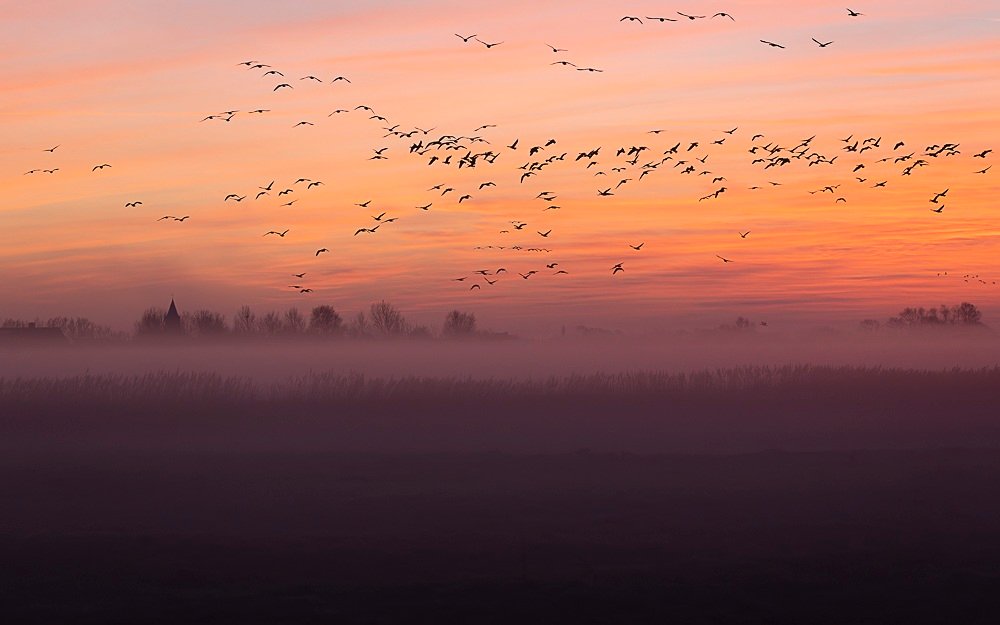
His photographs ultimately remind us that every living being belongs to the same story. From an ancient forest to the smallest insect, every form of life participates in a balance far greater than ourselves. Humanity is not the center of this system; it is one part of it.
Winning the Golden Shot Photography Awards therefore means much more to Benoît Rondelet than receiving a trophy. The award gives greater visibility to his work and, more importantly, to the message behind it.
His goal has never been to collect awards. He sees photography as a universal language capable of creating emotion, raising awareness, and reconnecting people with the living world. Recognition from the Golden Shot Photography Awards encourages him to continue that commitment.
It also confirms his belief that photography can bring science, art, and conservation together. Every award gives his images a wider audience and creates another opportunity to speak for endangered species and the fragile ecosystems upon which they depend.
If this recognition encourages even a few more people to care, understand, and act, then it has achieved something meaningful. Rondelet hopes humanity will learn to see itself not as the owner of nature, but as one of its guardians.
For photographers who want to participate in international competitions, his first piece of advice is simple: have the courage to be yourself. Following trends or imitating work that has already been rewarded rarely leads to photographs with a lasting impact. Authenticity is more powerful than perfection.
A personal vision shaped by genuine experiences and beliefs will remain in the viewer’s mind long after technical details have been forgotten.
Respect for the subject is equally important. Whether photographing wildlife, people, or landscapes, photographers should work with humility and integrity. Photography should not be about taking something from the world. It should be a way of bearing witness to it while respecting the dignity of every person, animal, and place in front of the camera.
Rondelet also encourages photographers to live according to the message they want their images to communicate. Meaningful photographs grow from sincere commitment, not simply from the desire to win awards. When an image reflects the photographer’s own values and experiences, it naturally carries greater emotional depth.
Competitions should therefore be seen as opportunities to give an important message a wider audience, rather than as an end in themselves.
Technical skill remains essential, but emotion is what turns a photograph into a story. The images that stay with us are the ones that make us stop, think, and feel. If a photograph can inspire wonder, empathy, or a sense of responsibility toward the living world, it has already succeeded regardless of the final result of any competition.
More conversations
Explore more interviews
 ARTIST INTERVIEWS
Jurica Galić Juka
A photograph of Indonesia’s Pacu Jawi festival captures charging bulls, flying mud and the strength of a farming tradition. The conversation explores working close to unpredictable action and preserving cultural stories through documentary photography.
Read more ARTIST INTERVIEWS
Denise Strauch
Horses photographed in snow, close detail and an unexpected industrial setting reveal the expressive possibilities of minimalism. Careful planning meets the uncertainty of weather and animal behaviour, with each composition seeking a sense of individuality and calm.
Read more ARTIST INTERVIEWS
Susanne Middelberg
A background in dance and acting shapes an approach to portraiture that seeks emotion beyond appearances. The conversation explores self-portraiture, the difficulty of directing oneself and the search for an honest rather than performed expression.
Read more