
Golden Shot Conversations
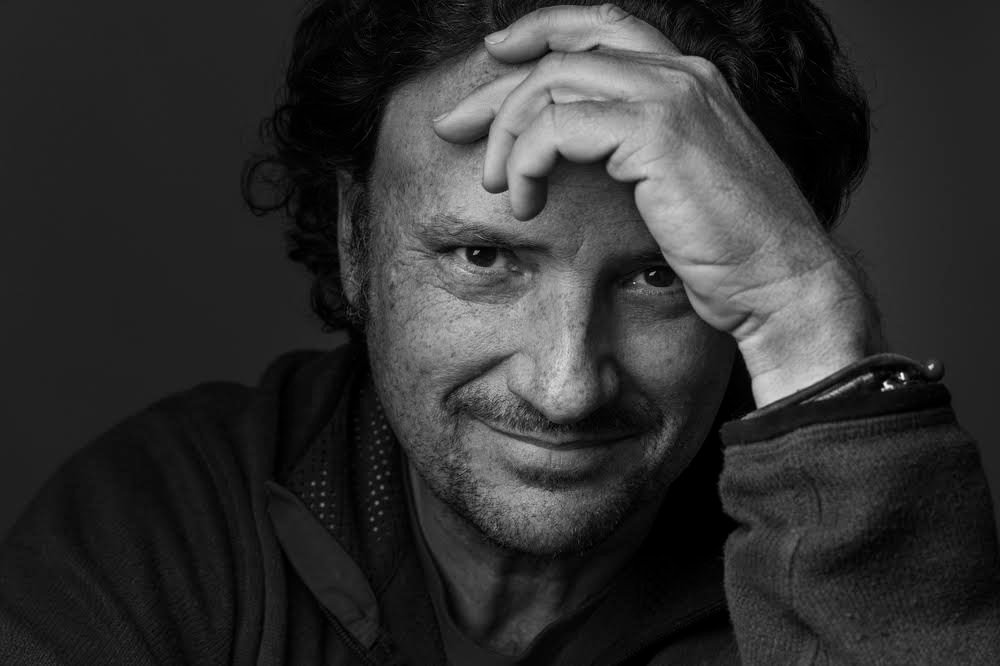
Andrea Francolini
In this Golden Shot Photography Awards interview, Andrea Francolini reflects on the path into photography, the ideas behind the awarded work, and the visual language that continues to shape their practice.
People often ask me how I became a photographer. The answer is actually quite simple and a little ironic. I started taking photographs because I wasn’t very good at drawing. Photography became my way of explaining ideas and telling stories without needing a pencil.
What began as a practical solution quickly turned into a lifelong passion. Over the years, my camera has taken me around the world, from major sporting events and sailing races to intimate portraits and long-term documentary projects. I still approach every photograph with the same curiosity I had when I first picked up a camera: looking for moments, light and stories that deserve to be remembered.
Little by little, I started attending events where I knew the club would be present, approaching members and asking if I could photograph people who caught my eye. There was no grand plan at first—just a genuine curiosity and a desire to build trust, one portrait at a time.
Eventually, I met the club’s president. We shared a long lunch, during which I explained the project I had in mind. She immediately understood my vision, and from that moment on, the rest is history. I have been documenting the club ever since.
The project initially evolved into a series of portraits featuring each member alongside their motorcycle, even though that wasn’t my original intention. Those images became an important first chapter, celebrating the bond between rider and machine.
The second chapter finally brought my original concept to life. I invited members into my studio, removing the motorcycles and every other distraction, allowing their personalities to take center stage. Without the bikes, the portraits became more intimate and revealing, focusing not on what they ride, but on who they are.
When I photograph portraits, and time allows, I like to spend a while talking with the person in front of my camera. I want to get to know them, hear their stories and, most importantly, create a genuine connection. As we talk, I don’t rush to take photographs. Instead, I wait for a moment of vulnerability a brief instant when the mask slips and the real person emerges. Of course, it all depends on what someone is willing to share. Some people reveal very little, while others open up completely. More often than not, though, I’m able to capture something that feels honest and true. What most people don’t release is that while we’re chatting, I’m constantly observing. I notice their body language, the way they smile, how they move their hands, the expressions that appear between sentences, and the moments when they forget the camera is there. Those fleeting moments are impossible to direct or recreate. That’s where the magic happens.
When I photograph people, I’m not interested in the version they instinctively present to the camera. I’m looking for the person beneath that the one who appears when they let their guard down, even if only for a brief moment. That is why I spend time talking, listening and observing. Those conversations are not simply a way to make someone feel comfortable; they allow me to understand who they are. It is often in those quiet, vulnerable moments that the most honest portrait emerges.
This project is no different. There are many misconceptions about the members of Dykes on Bikes. Too often they are judged by appearances or stereotypes rather than by who they really are. Through these portraits, I want to move beyond those assumptions and introduce the people behind the leather jackets, the motorcycles and the public image. My aim is not simply to photograph them, but to reveal their humanity, individuality and vulnerability, allowing viewers to see them as they truly are. We are all so unique
One of the biggest challenges was simply convincing people to step in front of the camera. Many members were initially reluctant, uncertain about being photographed or how they would be portrayed. But as the portraits began to be published and shared on social media, something changed. Those who had taken part started encouraging others to do the same, and the project gradually gathered momentum. At the same time, the club was getting to know me. Trust cannot be rushed—it takes time to build genuine relationships and for people to feel comfortable enough to let their guard down. That is why I am drawn to long-term documentary projects. They allow me to move beyond first impressions and create photographs that reflect people as they truly are, rather than how they think they should appear in front of the camera.
I am genuinely interested in hearing people’s stories, and I believe that this plays a very important role in creating an authentic portrait. When someone feels that they are being listened to and understood, they become more comfortable, and that connection often translates into the final image. For this project, I photographed around 50 portraits in my studio. I always allow the person being photographed to have a say in choosing the final image, while also guiding them through the process and helping them see what works best. Out of those 50 portraits, only two people were not happy with the final result.
One of them came back for a second session, and together we created an image they were truly happy with. The other person chose not to return, and that is part of the process. Photography is about collaboration, trust and timing. Sometimes the connection works perfectly, and sometimes it doesn’t. That is life.
As a photographer, I am always drawn to things that make me curious. That curiosity is what drives me to pick up the camera and explore a subject more deeply. People are my favorite subject because every person has a story, but my curiosity does not stop there. Over the years, I have photographed flowers, smoke, houses, boats and many other subjects that have captured my imagination. For example, I am currently working on a new series of dead flowers. I photographed flowers many years ago, but I have returned to the subject with a completely different perspective and a new visual language. For me, photography is about constantly looking, questioning and finding new ways to see familiar things.
I believe passion is essential in photography. If you are not genuinely fascinated by what you are photographing, it becomes very difficult to keep exploring and pushing yourself. Without curiosity and passion, the motivation disappears quickly. The subjects may change, but the desire to discover something new is what keeps me creating.
The list is long… I have always been inspired by many different photographers, depending on what I am exploring or feeling at a particular time. For portraits, Richard Avedon and Robert Mapplethorpe have been major influences. Their ability to capture something beyond the surface of a person their character, vulnerability and presence—is something I have always admired.
For street photography, I have always been fascinated by Daido Moriyama and Trent Parke. I have almost all of Trent’s books. Beyond his incredible talent as a photographer, he is also a genuinely wonderful person, which makes his work even more special to me.
Sebastião Salgado is another obvious influence. His ability to tell powerful human stories through photography is extraordinary.
But inspiration is never fixed. It changes depending on what I am interested in at the time, what project I am working on, or simply what catches my eye. I think that is one of the beautiful things about photography you are constantly discovering new ideas, new ways of seeing, and new photographers who can influence your journey.
Winning an award is always a nice feeling. I enter competitions because I am genuinely interested in knowing how other people respond to my work and how it is perceived outside of my own circle. Of course, I believe in my work otherwise I probably wouldn’t keep doing it! (LOL) But photography is also a very personal journey, and receiving recognition from my peers is always encouraging. It is a reminder that an image I created, often from a very personal perspective, can connect with someone else.
At the end of the day, awards are not the reason I photograph, but they are a wonderful acknowledgement along the way. They provide motivation, open conversations, and sometimes introduce my work to people who may not have discovered it otherwise.
When you participate in competitions for the first time, I think it is important to choose ones that provide feedback even if there is a small fee to pay. Winning is wonderful, but understanding why an image works—or why it may not work is even more valuable. As photographers, we often become attached to our own work. We know the story behind the image, the effort involved and the emotions connected to creating it. But having someone objective look at your work and share their thoughts gives you a different perspective.
Constructive feedback is one of the best ways to learn and improve. It helps you understand how your images communicate with others and can sometimes reveal things you had never considered yourself. Awards are great, but the opportunity to learn from the process is what makes entering competitions truly worthwhile.
More conversations
Explore more interviews
 ARTIST INTERVIEWS
StreetMax21
London street scenes become carefully composed series shaped by patience, observation and a growing photographic archive. Waiting for people to arrange themselves naturally creates a tension between everyday reality and images that appear to be staged.
Read more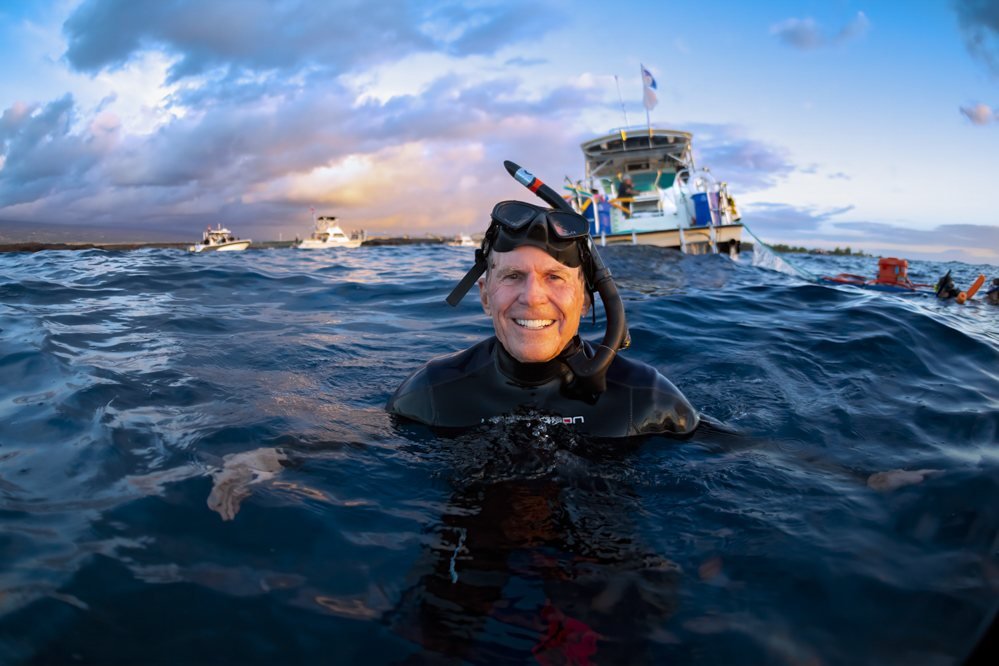 ARTIST INTERVIEWS
DON HURZELER
Lava meeting the ocean and a wildebeest leaping into a river capture two very different forces of nature. Both photographs depend on preparation and persistence, with the final image decided by a moment no photographer can control.
Read more ARTIST INTERVIEWS
Antonio Coelho
Reused materials become the basis of Weaknesses of the Oceans, a conceptual series about pollution and environmental fragility. Colour and geometry carry the message, while working in natural light makes visual consistency a practical creative challenge.
Read more