
Golden Shot Conversations
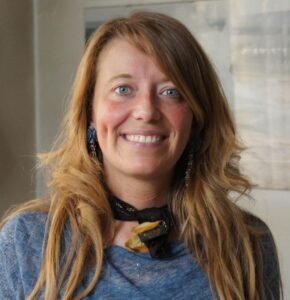
Alessia Santambrogio
I’m Alessia Santambrogio, a stage photographer based in Italy. My connection with photography began through my love for the performing arts. I was fascinated by the emotions of live performance and by how quickly everything disappeared: a gesture, a movement, a certain expression, or the way light touched the stage for only a few seconds.
At some point, I understood that photography could do more than simply document a performance. It could preserve its atmosphere and turn movement, light, and emotion into a new visual work. That realization led me to focus on dance and theater photography, which have remained at the heart of my work ever since.
My winning project, Dante’s Inferno – Tableaux Vivants, was created during a series of live dance performances inspired by an unconventional interpretation of Dante Alighieri’s Inferno. I was especially drawn to the way the dancers’ bodies seemed to float, connect, and sometimes lose their familiar human form. I tried to photograph the exact moments when the performance became something almost abstract—as if the real bodies on stage were transforming into living paintings.
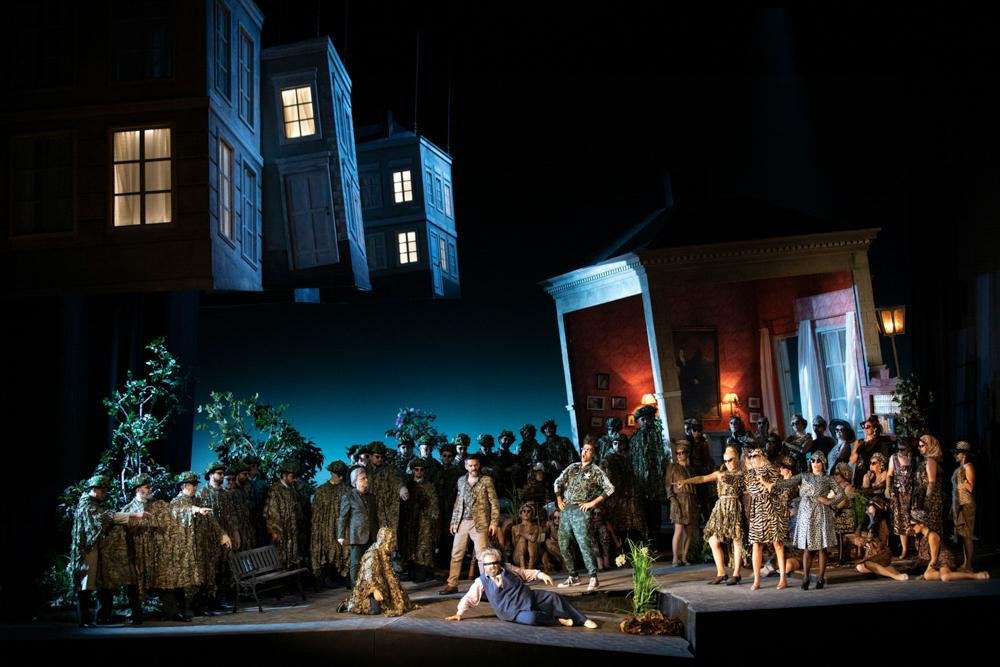
The main idea behind the series was to imagine the soul moving through light, space, and geometry. I wanted the photographs to carry a sense of wonder, similar to the feeling we have as children when we see something that appears impossible. The dancers’ physical control, combined with the lighting and stage design, helped me create scenes that felt both real and otherworldly.
More than anything, I wanted viewers to enter the atmosphere of the work. I didn’t want them only to look at the dancers or recognize a particular movement. I wanted them to feel surprised, curious, and perhaps slightly disoriented. The photographs exist somewhere between reality and abstraction, and that uncertain space is very important to me.
The most difficult part was timing. In stage photography, the moment doesn’t wait for you. The performers are moving, the light is changing, and everything has to come together within a fraction of a second. In this project, even a small difference in the position of a hand or body could completely change the image. I had to remain fully present and respond immediately when the movement, composition, and light finally aligned.
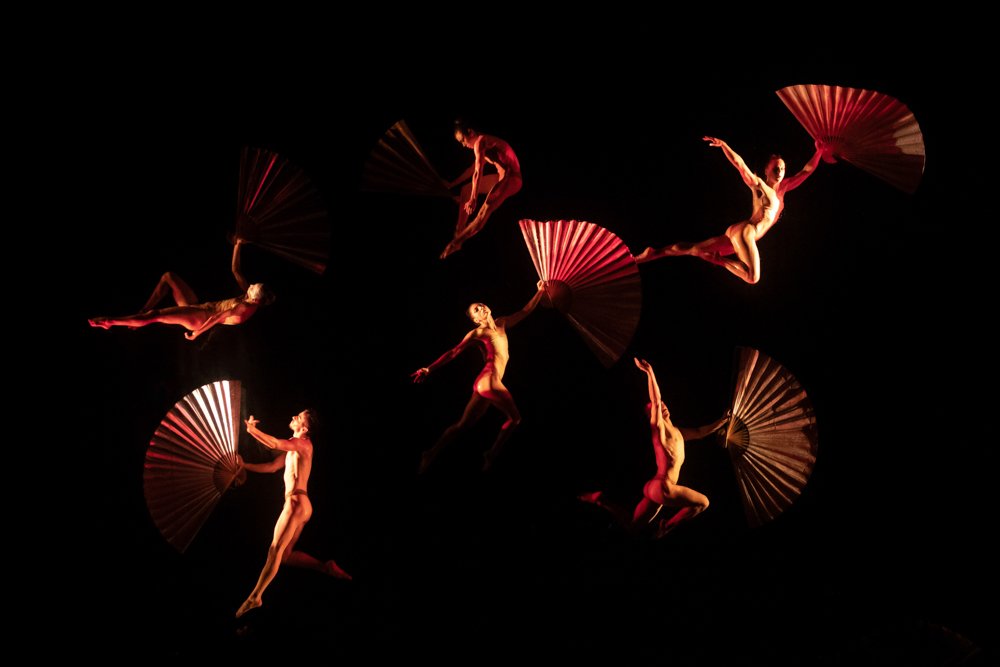
My photographic style has naturally grown out of this experience. I’m interested in visual storytelling, strong geometry, and the emotional possibilities of light. When I photograph a performance, I look for those moments when the bodies become sculptural and the emotion reaches its highest point. My aim is to create images that can stand on their own, even after the performance has ended and the curtain has closed.
Human expression and transformation are recurring themes in my work. I’m fascinated by the relationship between the body, emotion, and space, and by the way light can completely change how we see them. Stage photography gives me the freedom to explore all these elements while also bringing the performing arts to people who may never have experienced the original production.
My visual language has been shaped by fine art and classical painting, particularly the use of light and shadow in Renaissance and Baroque works. I have also learned a great deal from stage and dance photographers who understand how to work with the human body, movement, and theatrical light. Literature has been another important influence. Dante’s Divine Comedy, together with contemporary dance and theater, has encouraged me to search for images that feel poetic, mysterious, and slightly surreal.
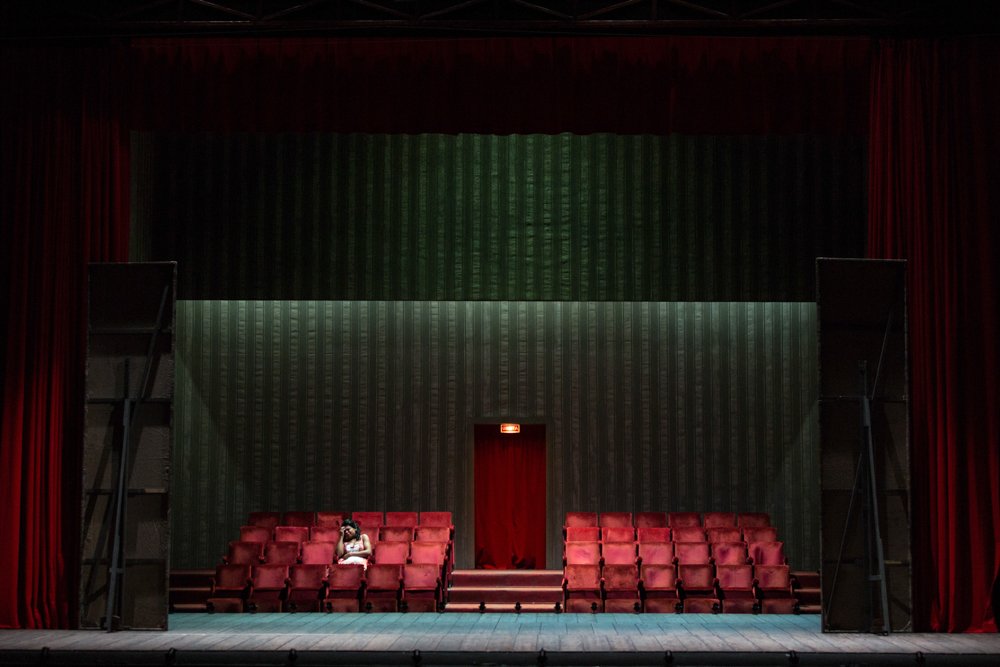
Winning at the Golden Shot Photography Awards is a great honor for me. Stage photography requires concentration, patience, and a deep connection with what is happening in front of you. Having this work recognized internationally gives me confidence in the path I have chosen. It also motivates me to keep experimenting and to find new ways of translating the magic of live performance into photography.
For photographers who want to enter international competitions, I believe the most important thing is to submit work that genuinely represents them. Choose a subject you care deeply about and try to develop a clear visual voice around it. A strong series should feel connected, not only visually but also emotionally. Competitions can be valuable, but the work should always begin with your own curiosity and passion. Recognition may come later; first, the photographs need to mean something to you.
More conversations
Explore more interviews
 ARTIST INTERVIEWS
Joshua Holko
Nearly three weeks in northern Iceland led to a fleeting encounter between sibling foxes in falling snow. Patient observation and a spare composition reveal their relationship, while leaving the animals free to dictate the moment.
Read more ARTIST INTERVIEWS
Jurica Galić Juka
A photograph of Indonesia’s Pacu Jawi festival captures charging bulls, flying mud and the strength of a farming tradition. The conversation explores working close to unpredictable action and preserving cultural stories through documentary photography.
Read more ARTIST INTERVIEWS
MATEO BORRERO
A Ticuna man beside an ancient ceiba tree brings the Amazon’s falling water levels into focus in Water Line. The conversation explores documentary travel, environmental change and the communities whose lives are closely connected to the river.
Read more