
Golden Shot Conversations
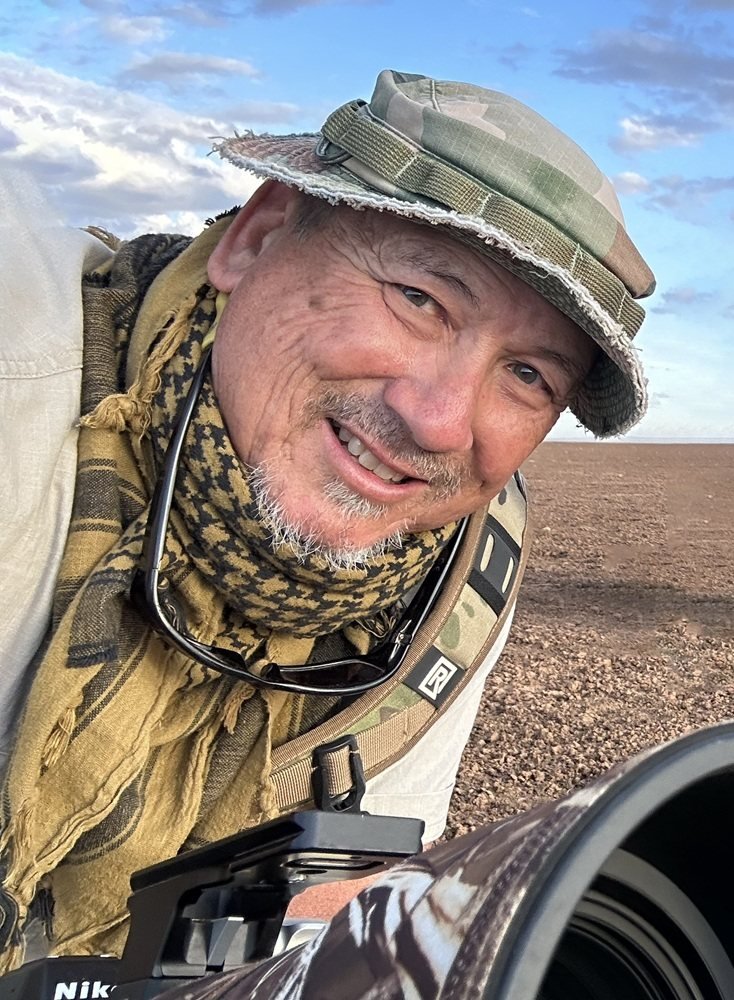
Randall Ball
In this Golden Shot Photography Awards interview, Randall Ball reflects on the path into photography, the ideas behind the awarded work, and the visual language that continues to shape their practice.
As requested.
I’m Randall Ball, primarily a wildlife photographer and photography workshop instructor based in Texas. Photography has been a part of my life for more than four decades. Over the years I’ve photographed everything from people and events to documentary and editorial work, but wildlife ultimately became where I found my greatest passion.
Today I focus on creating images that go beyond simply documenting an animal they’re about revealing personality, emotion, and the stories unfolding in the natural world.
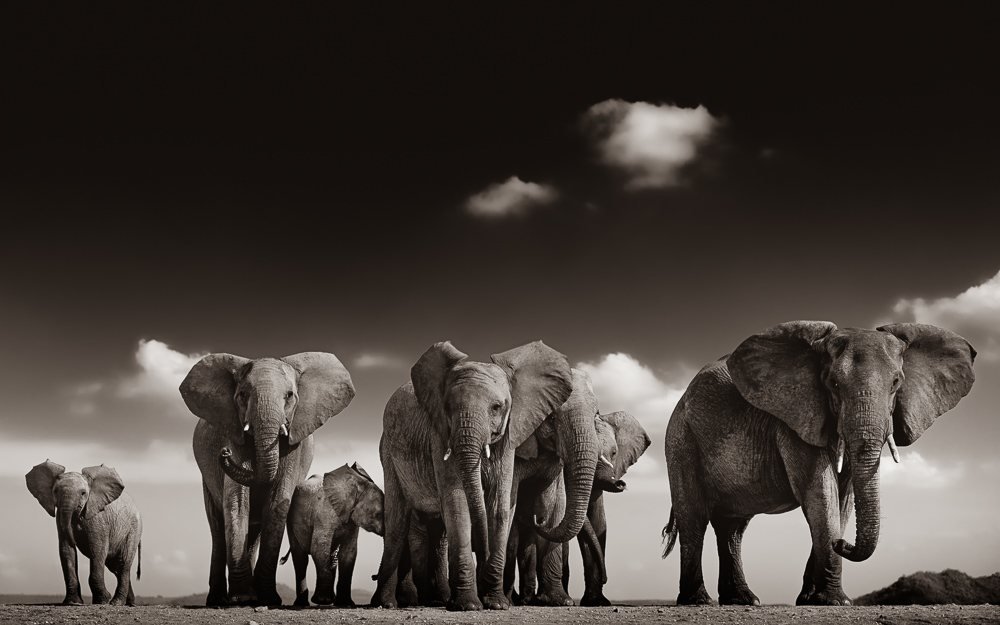
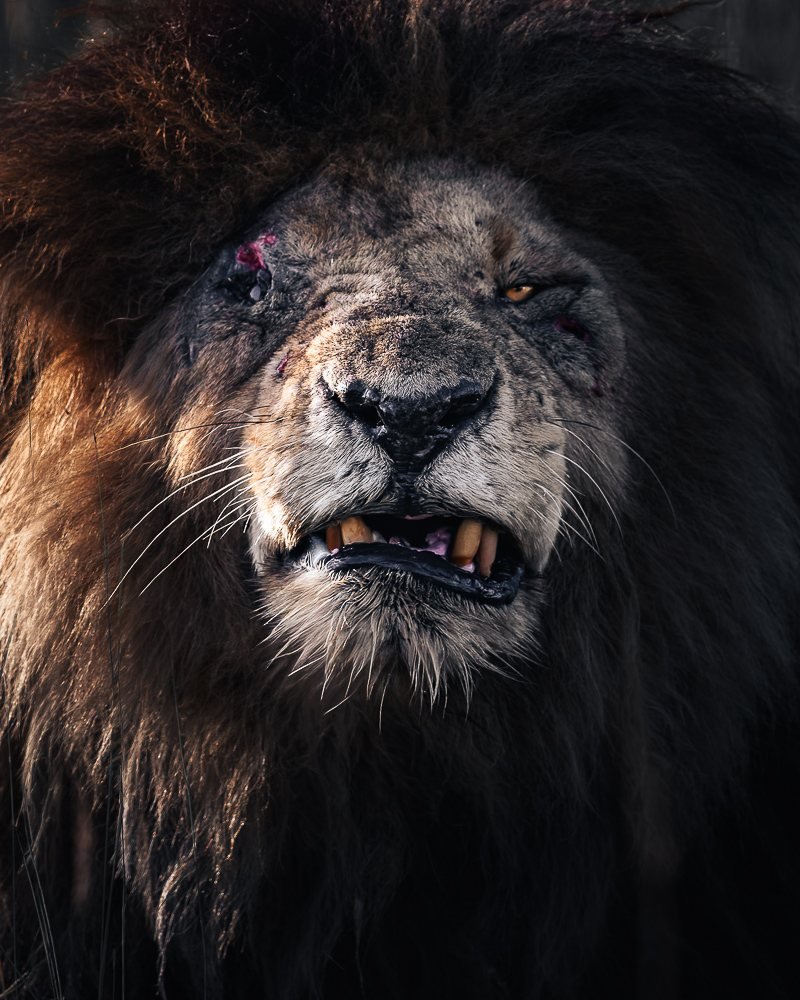
Burden of Reign was photographed in Kenya’s Masai Mara, one of the world’s greatest ecosystems for observing wild lions. Rather than focusing on dramatic action, I wanted to portray something quieter and, in many ways, more powerful. The series seeks to portray dominant male lions during quiet moments of reflection and solitude, revealing a side of their lives that is often overlooked. Every scar, every stare, and every weary expression tells the story of an animal carrying the immense responsibility of defending territory, protecting his pride, and constantly facing younger challengers.
Creating these images required patience rather than luck. We spent long hours observing behavior, waiting for those fleeting moments when the lion’s posture, expression, and the quality of light all aligned to reveal something deeper than strength alone.
The central idea was that leadership carries a tremendous cost. When people see a dominant male lion, they often think only of power. I wanted viewers to see something else, the weight that comes with that power. Every successful ruler eventually grows older, every victory leaves another scar, and every day is another challenge to survive. The series explores dignity, resilience, loneliness, and the relentless burden of remaining king.
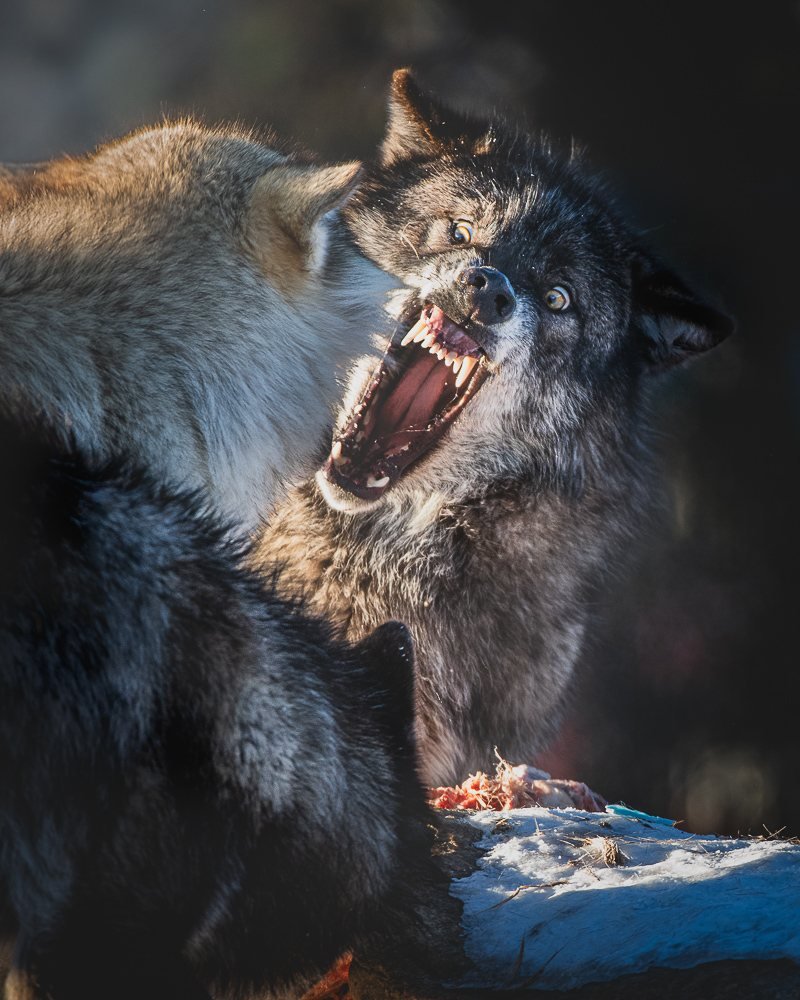
I hope viewers pause long enough to connect emotionally with the subject. Wildlife photography isn’t just about beautiful animals; it’s about recognizing that these creatures experience lives filled with struggle, conflict, family, loss, and perseverance. If someone looks at these portraits and begins to see the lion as an individual rather than simply a species, then the photographs have succeeded. Ultimately, empathy is one of conservation’s greatest tools.
The greatest challenge was patience. Wildlife doesn’t perform on command…You can have perfect equipment, perfect settings, and beautiful light, yet the image still depends entirely on behavior. We spent many hours simply watching, understanding body language, anticipating behavior, and recognizing subtle changes in expression are often far more important than camera settings. Those brief moments where everything comes together may last only seconds, but they are built upon days or even years of experience.
I describe my work as storytelling through portraiture. My goal isn’t simply to capture an animal’s physical appearance, but to preserve a moment that allows viewers to connect with its individuality and experience it as more than just a member of a species. I pay close attention to light, composition, eye contact, and expression because those elements create emotional connection.
Whether I’m photographing lions in Africa or polar bears in the Arctic, I want viewers to feel something before they begin analyzing the technical aspects of the image.
Wildlife conservation is at the heart of my work. Many of the species I photograph face increasing pressure from habitat loss and human expansion. By creating intimate portraits, I hope to inspire appreciation and respect for these animals. I’m also passionate about education and as a workshop instructor, I encourage photographers to move beyond simply collecting species and instead learn to observe behavior, anticipate moments, and tell meaningful stories.
My greatest influence has actually been time spent in the field. Photographing wildlife across places like Africa, the Arctic, and South America has taught me that patience almost always outperforms speed. Every expedition reinforces the importance of observation and understanding animal behavior.
I’ve certainly admired the work of many accomplished photographers over the years, but nature itself has been my greatest teacher. The animals decide the story, I simply try to recognize the moment when it reveals itself.
It’s a tremendous honor. Photography competitions bring together exceptional work from artists around the world, so having Burden of Reign recognized is both humbling and deeply rewarding. Awards are never the reason I create photographs, but they provide an opportunity for these stories to reach a much larger audience. If this recognition encourages even a few more people to appreciate wildlife and support conservation, then it becomes meaningful beyond the trophy itself.
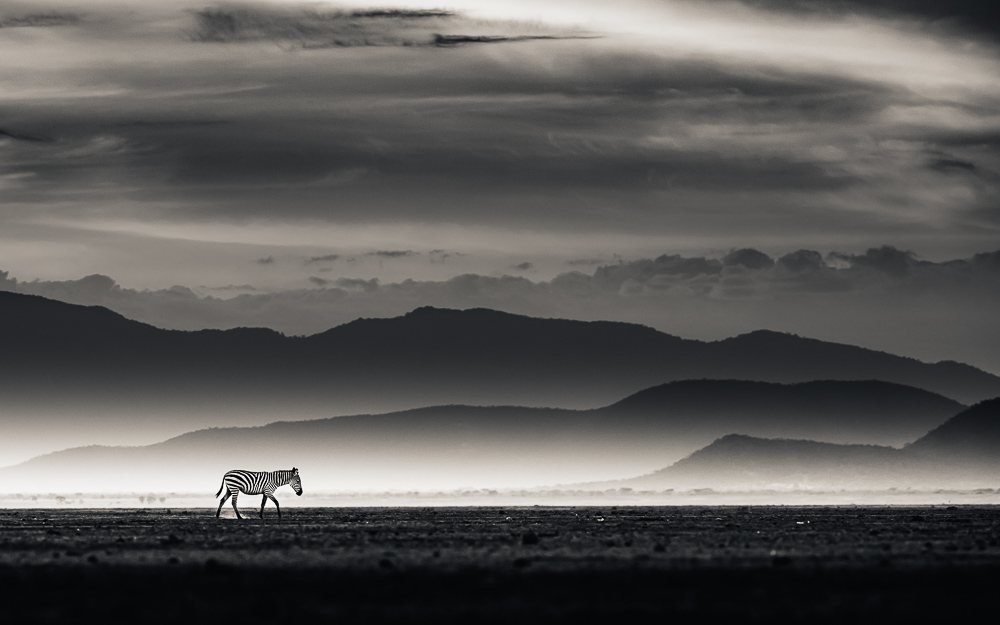
Photograph with purpose, not with awards in mind. The strongest images are usually the ones that tell honest stories rather than trying to impress judges with technical perfection alone. Learn your craft, understand light, master composition, and spend time observing your subject. Most importantly, be patient.
Truly memorable photographs are rarely accidental. They are the result of preparation, persistence, and being fully present when the decisive moment finally arrives. Don’t be discouraged by rejection, every competition is subjective. Enter your best work, learn from the experience, continue refining your vision, and let each photograph move you closer to developing a style that is uniquely your own.
More conversations
Explore more interviews
 ARTIST INTERVIEWS
özhan arıoğlu
In this Golden Shot Photography Awards interview, özhan arıoğlu reflects on the path into photography, the ideas behind the awarded work, and the visual language that continues to shape their practice. I was born in 1986 in Istanbul,Turkiye. I am an electronic
Read more ARTIST INTERVIEWS
Chris Gurton
In this Golden Shot Photography Awards interview, Chris Gurton reflects on the path into photography, the ideas behind the awarded work, and the visual language that continues to shape their practice. Hello, I'm Chris Gurton, a photographer from Sudbury i
Read more ARTIST INTERVIEWS
Joshua Holko
Joshua Holko I’m an Australian born nature photographer based between Melbourne, Australia, and Sweden. My passion for wildlife and wild places led me to photography more than three decades ago. For over twenty years, I have specialised in...
Read more