
Golden Shot Conversations
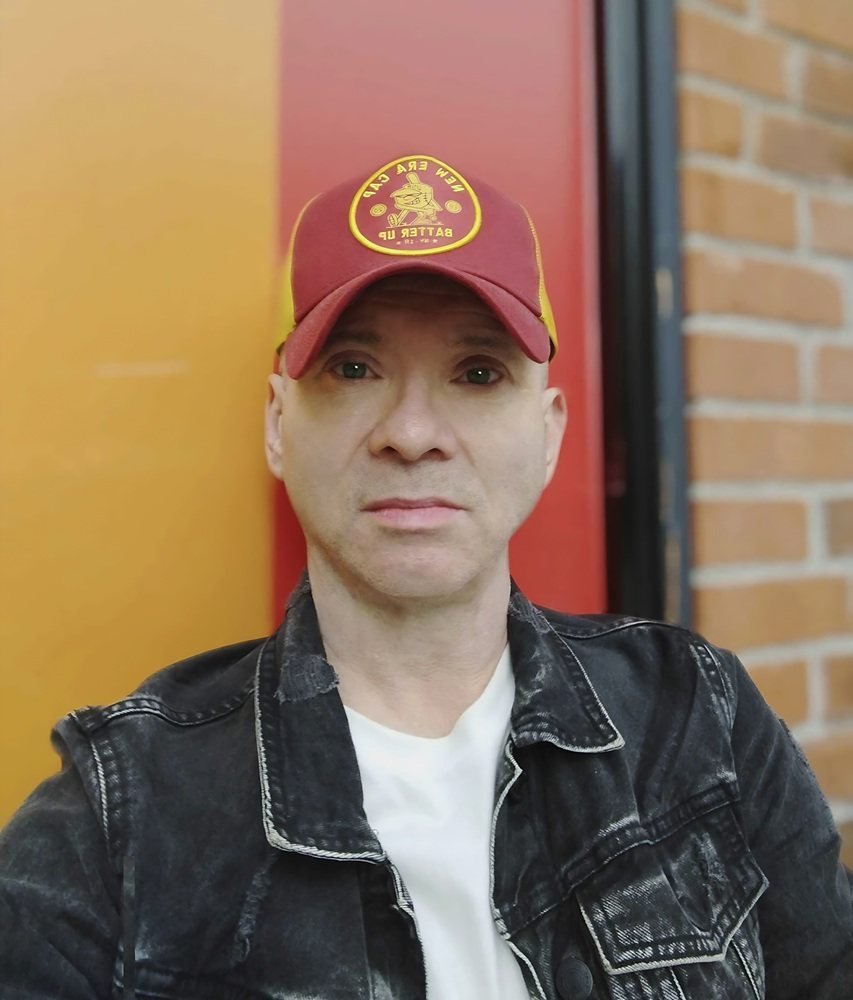
Gjert Rognli
In this Golden Shot Photography Awards interview, Gjert Rognli reflects on the path into photography, the ideas behind the awarded work, and the visual language that continues to shape their practice.
Gjert Rognli – What nature knows I grew up in Arctic Northern Norway, in an area characterized by Sami and Kven culture. This rich cultural heritage has fueled my artistic work from the very beginning. My path as a photographer began by chance: a friend gave me a camera, and I was immediately captivated by the medium. Before that, I sought my expression through different media such as painting and ceramics, etc. – never really enjoying it, but these experiences turned out to be invaluable.
The work on the photo series «What Nature Knows» began in the Sea Sámi village of Manndalen. Rooted in my belonging to Arctic Northern Norway, the project draws on the region’s shifting light, its seasons, and my own Sámi and Kven minority background along with the intangible cultural heritage tied to these identities. Over the course of two years, I wandered the countryside from late summer until the first snows of October, searching for sites that could hold the images I envisioned.
The project moves between photography, environmental art, surrealism, and sculpture. I illuminated the landscape with LED lights, built installations both on land and beneath the water’s surface, and experimented with smoke cartridges and long exposure times. Through these methods, I wanted to transform familiar northern landscapes into something both peaceful and enigmatic—and to speak to the fragility of our present moment.
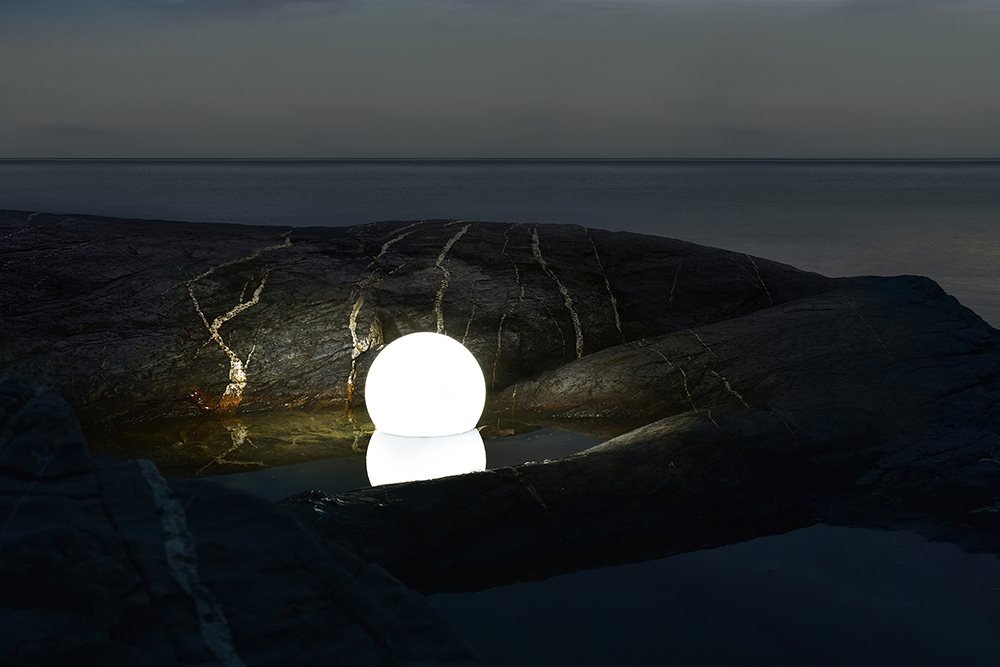
In the work process, I focused on several indigenous perspectives that I wanted to influence the work. I wanted to highlight topics such as holistic nature management; about creating an understanding of nature’s mechanisms, functions, vulnerabilities and that we humans are an inseparable part of nature. And how people’s interaction with nature affects and shapes the legacy of future generations. The intangible cultural heritage has been a supporting part of Sámi culture, a culture that has been developed and refined through millennia of interaction between people’s living conditions and the forces of nature. A legacy that was passed on through storytelling: how to read nature and its powers to survive in a harsh climate, but also through nature’s mystery, legends and how it could provide healing. The Sámi indigenous people and other indigenous peoples around the world have always lived in harmony with nature, and have an understanding of the sustainable harvesting of natural resources, a knowledge that stretches far back in time, and at the same time very relevant today.
The challenges of creating the photo series were being outside of one’s comfort zone the whole time, a location could be a 1-2 hour walk from the nearest road connection, and the return home was with a headlamp in the dark. The weather could change quickly up in Northern Norway, even though I followed the weather apps to prevent precipitation such as snow and rain. The most common thing was that I had to return to the location up to 2 to 5 times to get the photograph perfect. And the wind direction could be wrong or it could be too strong as I often used smoke cartridges to create the expression I was looking for. The most important thing is not to give up.
I don’t see nature as a backdrop or a resource, but as a sentient presence – something with agency, intelligence and a voice. That’s why my photography is about asking the question: How can we live with nature, instead of above it? For me it’s about attention, reciprocity and care. In practice, I try to recontextualize nature – I bring it into new viewing spaces, so that a dialogue between the human, the mythological and the natural arises. I am concerned that the images should invite reflection, not just show something beautiful. In my previous projects, I staged stories from my background as Sami, Kven and queer.
I often used my own naked body, or I stood in costume surrounded by scenographic objects and animals – living or dead. It was a rebellion against how society has treated minorities, and an image of how «skinless» a person can become in the face of an oppressive system. But in recent years, both Norway and I have changed. Minority politics have moved forward, and I have matured as an artist. That is why I have channeled much of this commitment into new projects, such as the photo series «What nature knows».
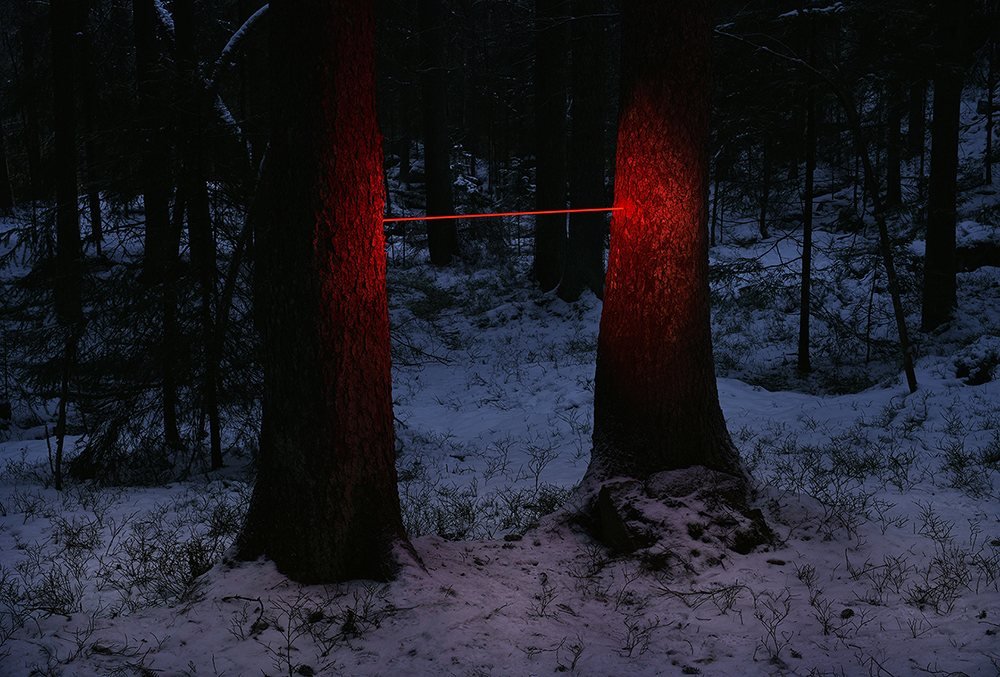
Here, I instead ask questions about how we can live with nature, not above it – but the fight against injustice and invisibility is still at the core of everything I do. I work in four different media, with photography, film, sculpture and performance. At the beginning of my journey as an artist, Edvard Munch, Salvador Dahli, John Waters were important sources of inspiration among many others. In our own time, there are many talented artists to be inspired by, such as Matthew Barney, Bjørk and Bill Viola.
But not least my own triple minority background as Sami, Kven and queer. These are experiences that have created an enormous driving force from an outsider and completely alienated from society. One has experienced being «Differen» , a fantastic and brutal source of creativity and growth. And winning silver in the Fine Art series is a fantastic recognition that gives me inspiration to continue working in the direction I have created after many years of searching for my style and expression.
My advice is to be «totally crazy», try out all kinds of paths within photography, I mix different media together, and here everything is allowed. For example, you may love and weave/crochet blankets/objects, then you can bring this medium into your projects.
More conversations
Explore more interviews
 ARTIST INTERVIEWS
Jurica Galić Juka
A photograph of Indonesia’s Pacu Jawi festival captures charging bulls, flying mud and the strength of a farming tradition. The conversation explores working close to unpredictable action and preserving cultural stories through documentary photography.
Read more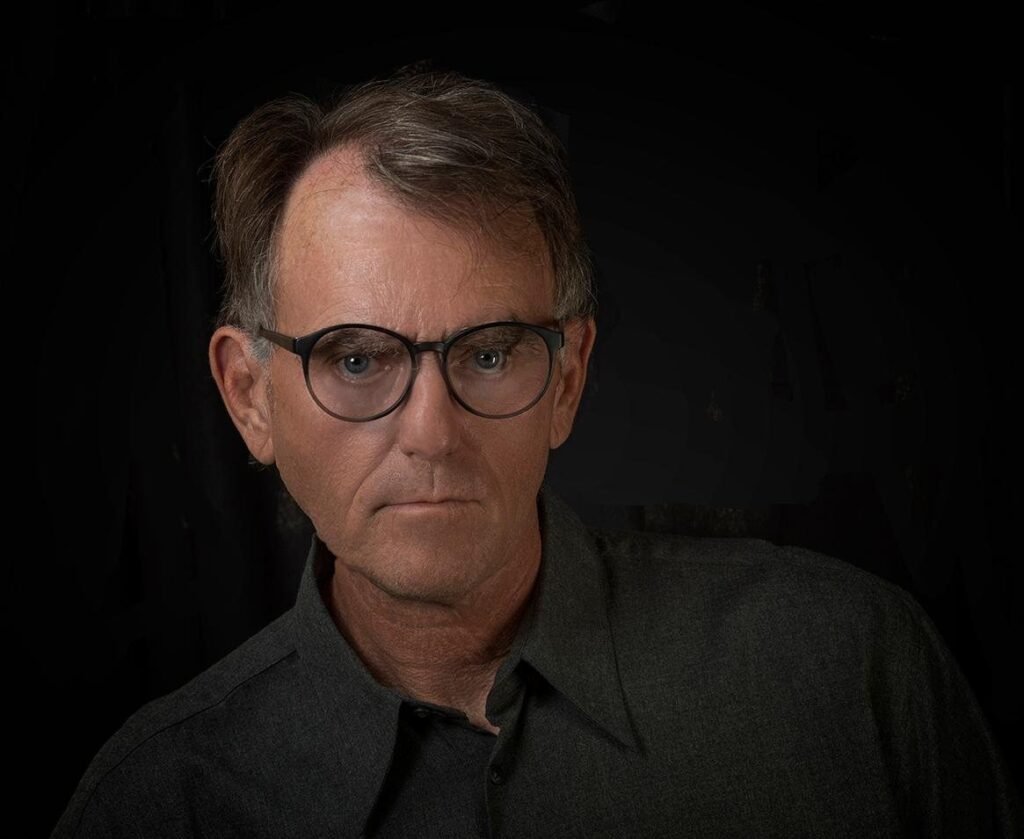 ARTIST INTERVIEWS
Stephen Wallace, M.D., J.D
Two novice monks reading by candlelight near Bagan become the focus of a quiet photograph about devotion. The conversation follows the image’s preparation, low viewpoint and the wish to introduce viewers to other cultures and customs.
Read more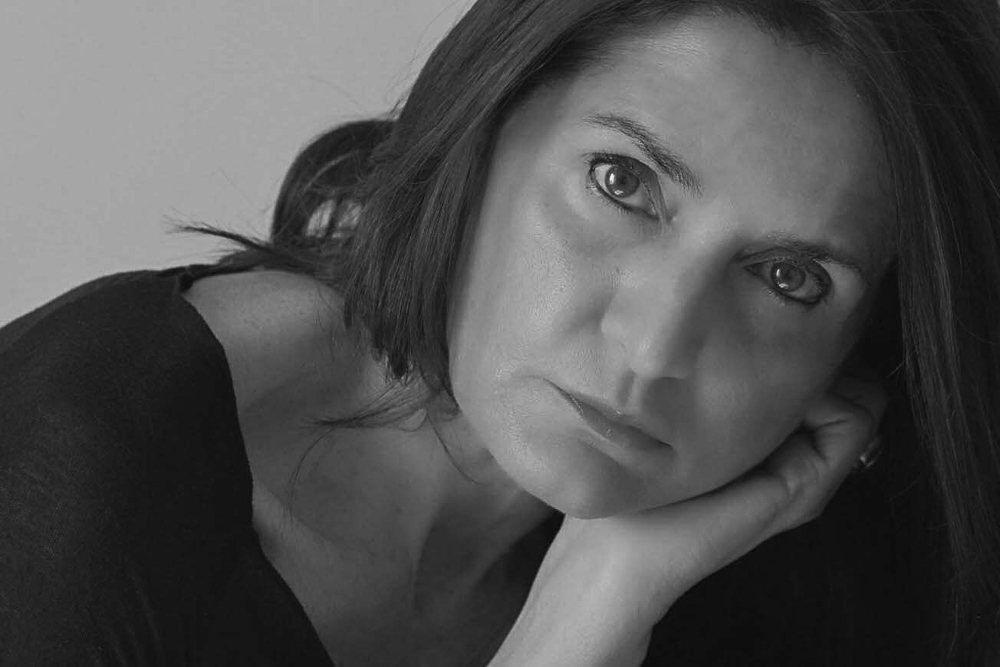 ARTIST INTERVIEWS
Paola Francesca Barone
Classical studies and philosophy inform a conceptual portrait about the distance between generations and the need for care. The conversation explores L’abbraccio mancato, bodily expression and the challenge of balancing emotional closeness with critical observation.
Read more