
Golden Shot Conversations
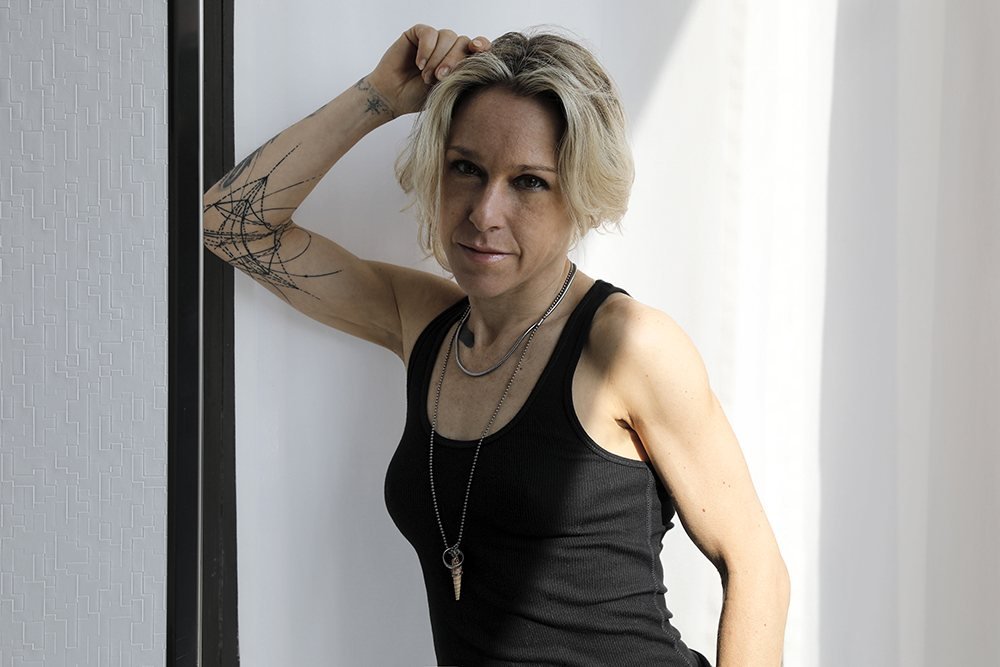
Francesca Pompei
I am a Rome-based photographer focused on art and architecture. I first got involved with photography when I was studying philosophy at university. Aesthetics studies opened me up to a different way of feeling and understanding the arts. It felt natural for me to concentrate my interest on photography in a more specific way. Moreover, the dark room has always appealed to me. During my previous journeys, I have surprisingly discovered that the capital of UAE is transforming its urban horizon with works by prestigious architects but with a focus on an eco-friendly approach.
What is most amazing is the grandeur of these hypermodern sites which stand out from a silent and solitary perspective, in a space “in between” suspended in the known city and the other side. That’s why when I knew about the project and the opening of the Museum I arranged a trip just after the opening. Photography allowed me to connect with a city and its history. I like to discover the traditional location and the new landmarks because I feel the both sides reveal the peculiar identity and heritage of a country.
It also helps to understand urban planning and translates the relationship between the man-made and natural landscape. As for Abu Dhabi, Saadiyat Island is quickly evolving as an international hub, where the Louvre Abu Dhabi by Jean Nouvel and the upcoming Guggenheim museum by Frank Gehry are also located.
Zayed National Museum is the first museum completely dedicated to the local roots and my intention was to transmit the beauty of the structure and to generate an empathy that can open a dialogue among different cultures. In this series I tried to give back a bit of the suspended atmosphere, evoking the silent of the desert, and the local topography. That was the meditative feeling that the place transmitted to me.
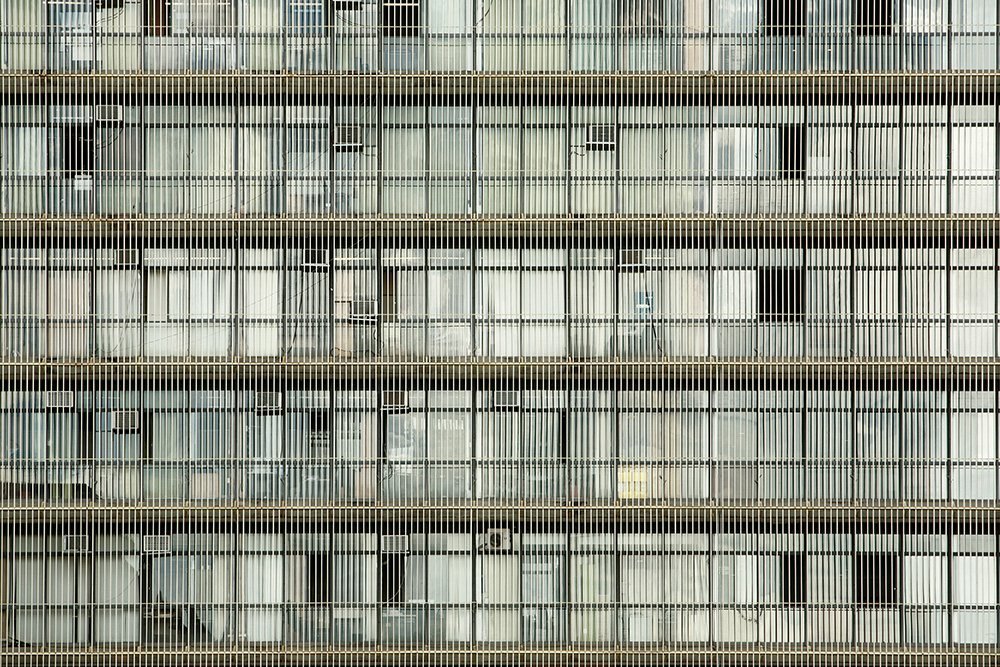
To turn the architecture of the museum, its surfaces, spaces and shape, into a field of visual exploration and possibilities of perception. Through the interplay of light and absence, I have tried to slow down, to listen, and to feel what the location transmitted to me. My approach photographing a place has always been to understand it, rather than impose something onto it. It is a way of shaping my relationship with time and my search for beauty. Beyond descriptive and illustrative intentions photography is a practice interweaving with the mood of memory, creating a visual synthesis that appeals to our senses, to our sense of place. Architecture fascinates me as an expression of a common space, shared in its most diverse forms, in the awareness that it is designed to be built and then lived in.
It also fascinates me for its being a manifestation of time, as a dimension that shapes places and their identities through a common memory. In my images I would like to succeed in conveying a bit of all this. I gained experience in various fields, from reportage to stage photography, before moving on to art and architecture. I would say that it was a landing place after a journey that helped me to focus on what I felt was most congenial to my nature and my studies.
All this took place under the influence of Gabriele Basilico and his work, a demonstration of an image of architecture intended not only as a formal expression but also as a synthesis of content and concepts. Winning a prize can only fill you with satisfaction! If it happens for an architectural photograph, which is my privileged field of expression, with the recognition of a prestigious jury, the gratification is double. The best advice I can give is to select images that are able to establish a dialogue with the viewer.
And, above all, to be curious and feed your mind.
More conversations
Explore more interviews
 ARTIST INTERVIEWS
Gjert Rognli
Arctic landscapes, Sámi and Kven heritage, and temporary installations come together in What Nature Knows. Working with light, smoke and long exposures, the project approaches nature as a living presence and asks how we might coexist with it.
Read more ARTIST INTERVIEWS
Joshua Holko
Nearly three weeks in northern Iceland led to a fleeting encounter between sibling foxes in falling snow. Patient observation and a spare composition reveal their relationship, while leaving the animals free to dictate the moment.
Read more ARTIST INTERVIEWS
Dorota Yamadag
The sculptural forms of Qatar’s National Museum inspired Desert Rose, a series built around clean lines and bold shapes. A passion for contemporary architecture guides the choice between colour and monochrome, keeping attention on each building’s character.
Read more